Exposure To Red Light “Significantly Reduces Blood Sugar Levels”; Exposure To Blue Light (LEDs) Significantly Increases Blood Sugar Levels

Light stimulation of mitochondria reduces blood glucose levels, Journal of Biophotonics, February 2024

Exposure to light in the longer-wavelength (red) spectrum “significantly reduces blood sugar levels”:

Abstract
Mitochondria regulate metabolism, but solar light influences its rate. Photobiomodulation (PBM) with red light (670 nm) increases mitochondrial membrane potentials and adenosine triphosphate production and may increase glucose demand. Here we show, with a glucose tolerance test, that PBM of normal subjects significantly reduces blood sugar levels. A 15 min exposure to 670 nm light reduced the degree of blood glucose elevation following glucose intake by 27.7%, integrated over 2 h after the glucose challenge. Maximum glucose spiking was reduced by 7.5%. Consequently, PBM with 670 nm light can be used to reduce blood glucose spikes following meals. This intervention may reduce damaging fluctuations of blood glucose on the body.

We can be exposed to red light from the sun.

Here’s what they said about exposure to shorter-wavelength, blue light (from LEDs):

It is clear that light impacts on mitochondrial function. Longer wavelengths, particularly 670 nm have consistently been shown to improve their function in a manner that can be translated into improved overall physiology and performance [1, 10, 12, 17, 37], whereas shorter wavelengths undermine mitochondrial function [38-40]. Exposure to 450 nm, which is a dominant peak in LED lighting in the built environment, results in significant and rapid reduction in blood pressure in humans and also a significant increase in heart rate. Both shifts persist during exposure periods [41]. Experiments using 468 nm PBM in human subjects similarly disrupted physiology significantly increasing blood glucose levels during exposure [42]. LED lighting is fundamentally blue dominant as short wavelength light is used to stimulate a phosphor element that then is perceived by the human eye to produce a wider spectral range of white light. However, LEDs fundamentally lack longer wavelengths. They peak strongly around 450 nm, but have little content beyond 620 nm [43-45]. Hence, lengthy exposure to them in the absence of sunlight may have significant long-term consequences for human health including dysregulation of blood sugars. This problem remains to be fully appreciated but is likely to be a potential public health issue.

Light bulbs, televisions, computer screens, tablets, phones … we are literally bathing in blue light.

Plant-Based Diets And Athletic Performance

A couple recent studies on plant-based diets and athletic performance:

Plant-Based Diets Benefit Aerobic Performance And Do Not Compromise Strength/Power Performance: A Systematic Review And Meta-Analysis, British Journal of Nutrition, March 2024

Plant-based diets had a moderate but positive effect on aerobic performance and no effect on strength/power performance. … The results indicate that plant-based diets have the potential to exclusively assist aerobic performance.

The Impact Plant-Based Diets Have on Athletic Performance and Body Composition: A Systematic Review, Journal of the American Nutrition Association, 24 June 2024

Plant-based diets may improve maximal oxygen consumption, vertical countermovement jumps, and relative strength.

This one below is a review article but I’m including it here for its lengthy reference list.
Plant-Based Diets for Cardiovascular Safety and Performance in Endurance Sports, Nutrients, January 2019

Conclusions
Plant-based diets play a key role in cardiovascular health, which is critical for endurance athletes. Specifically, these diets improve plasma lipid concentrations, blood pressure, body weight, and blood glucose control, and, as part of a healthful lifestyle, have been shown to reverse atherosclerosis. The possibility that such diets may also contribute to improved performance and accelerated recovery in endurance sports is raised by their effects on blood flow, body composition, antioxidant capacity, systemic inflammation, and glycogen storage. These attributes provide a scientific foundation for the increased use of plant-based diets by endurance athletes.

Technically, plant-based is not the same as vegan. Vegan excludes all animal foods; plant-based may include a minimal amount of animal foods.

Torre Washington, Professional Bodybuilder, Vegan since 1998. Source: his site:

Chris Paul, Professional Basketball Player, Plant-based since 2019. Source: USA Today Sports:


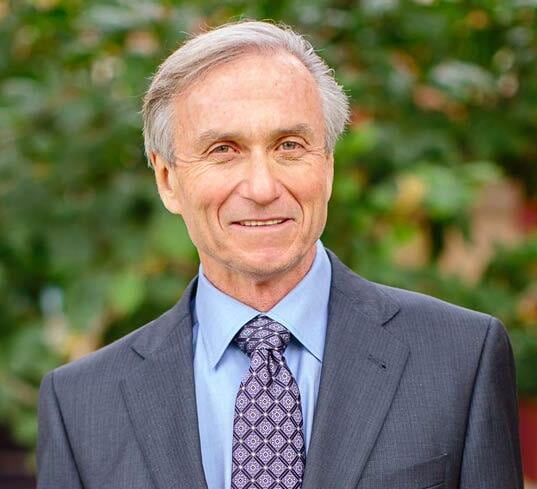
With Deep Sorrow We Announce the Passing of John McDougall, MD

I just received this email from the McDougall team:

With Deep Sorrow We Announce the Passing of John McDougall, MD

John McDougall, MD
May 17, 1947 – June 22, 2024

With a heavy heart, we share the news of Dr. John McDougall’s passing. A visionary physician and author, beloved husband, father, grandfather, brother, mentor and friend, Dr. McDougall died peacefully in his sleep at his home on Saturday, June 22nd, at the age of 77.

Dr. McDougall: “Diet Is First Line Therapy” Or “It’s The Food!”

Dr. McDougall had a stroke when he was 18. It was what propelled him in his medical career. In his words:

My medical education began in October of 1965, at age 18, when I suffered a massive stroke that left me completely paralyzed on the left side of my body for 2 weeks, and I remain noticeably physically weakened 44 years later. This was my first real contact with the businesses of medicine, and without this opportunity I would have never become a physician. I was raised in a lower middle class family in the suburbs of Detroit, Michigan. My parents worshipped medical doctors as if they were exceptional beings possessing near God-like qualities. I was an ordinary person, at best; therefore, I never even dreamed of aspiring to such heights — that is, before my fateful hospitalization.

My exalted view of doctors changed during my 2-week stay at Grace Hospital. As “a medical curiosity” — suffering a stroke at such a young age — I attracted some of Detroit’s finest medical specialists. After examining me, I asked each new doctor: “What caused my stroke?” “What are you going to do for me?” “How are you going to make me better?” “When can I go home?” The typical response was nonverbal; shaking their heads from side to side, they walked out of my room. I figured I could do that. After 2 weeks of the “best care” modern medicine had to offer, I left the hospital AMA (against medical advice) and returned to my undergraduate college studies at Michigan State University. Soon my learning was on a track straight to medical school. Looking back at my diet, I can give credit to eggs, double cheese pizzas, and hot dogs for my brain damage, and my good fortune.

He thought it was the food. He learned it was the food.

Below are a couple of his early newsletters. I stumbled upon them while looking up strokes and food.

The McDougall Newsletter. July/August 1989
https://www.drmcdougall.com/wp-content/uploads/2021/01/018.-July-August-Vol.-3-No.-4.pdf

Here’s the first paragraph of that newsletter:

Diet Is First Line Therapy
A no-cholesterol, low-fat diet will lower cholesterol an average of 12% or 28 mg/dl in 11 days. [See following newsletter for an explanation of this.] Many people can drop their cholesterol over 100 mg/dl in this short time. Cholesterol continues to decline rapidly for about 4 weeks with reports of 25% to 37% reduction in cholesterol levels by diet alone. Each 1% drop in cholesterol reduces your risk of dying from heart disease by 2% to 3% (JAMA 251:351 & 365, 1984) Thus, in 11 days your risk is down 24% to 36% and in month your risk can be 50% to 100% less than before your dietary change.

So, not only did he discover that cholesterol could be reduced drastically and in a short period of time with food, but that lower cholesterol, in turn, could reduce the risk of dying from heart disease.

When you fix circulatory issues, you fix many problems:

For more than decade I treated cholesterol problems and atherosclerosis-related diseases [coronary artery disease, angina, cerebral artery disease, TIAs (transient ischemic attack) and peripheral artery (leg) disease] with diet alone.

The McDougall Newsletter, September/October 1989
https://www.drmcdougall.com/wp-content/uploads/2021/01/019.-September-October-Vol.-3-No.-5.pdf

Under my care at St Helena Hospital and Health Center, 180 people followed a diet free of animal fat and cholesterol and gained an average cholesterol reduction of 28 mg/dl, or 12 percent, in 11 days. Many people exceed 100 mg/dl reduction in less time than most of us spend on summer vacation. Similar diets prescribed by other investigators have demonstrated 25 to 37 percent reduction in cholesterol in one month.

Imagine lowering your cholesterol 28 mg/dl in 11 days. Or 100 mg/dl in a month. Imagine eliminating your risk of a heart attack or stroke by eating rice, potatoes, oats, vegetables, and beans.

Here’s that reference he sited in the first newsletter for “Each 1% drop in cholesterol reduces your risk of dying from heart disease by 2% to 3%.”:

The Lipid Research Clinics Coronary Primary Prevention Trial Results, JAMA, 20 January 1984

The LRC-CPPT findings show that reducing total cholesterol by lowering LDL-C levels can diminish the incidence of CHD morbidity and mortality in men at high risk for CHD because of raised LDL-C levels. This clinical trial provides strong evidence for a causal role for these lipids in the pathogenesis of CHD.

What was striking to me: The people in the intervention group in this study were following a conventional cholesterol-lowering diet plus they took cholestyramine, a drug that binds bile acids (bile acids are made from cholesterol) in the intestine and carries them out with feces. And you know what? After 7 years they still only reduced their cholesterol to about 257 mg/dl (it was lower after the first year but crept back up). And they didn’t lose weight. Yet they still had reductions in heart attacks (compared to those who followed the diet but didn’t take cholestyramine) because they had lowered their cholesterol.

Imagine if they lowered their cholesterol to a more ideal 150 mg/dl:

Levels of 150 mg/dl or less (levels seldom seen in adults in the U.S.) are associated with no heart disease. … In other societies where people rarely if ever suffer from heart disease the usual adult cholesterol levels are 130 mg/dl to 160 mg/dl. People living in rural Japan, China, and Africa are gifted with an immunity to heart disease until they move to a wealthy society and change their diet.

Diet should be first line therapy. Dr. McDougall was right over 40 years ago. He’s still right. And so were his predecessors, like Kempner: Kempner’s 1940’s Rice Diet: Improved Kidney Function, Weight Loss, Lowered Blood Pressure

How Lifestyle Impacts Alzheimer’s Disease – Dr. Ornish’s Recent Published Research

Just out:

Effects of intensive lifestyle changes on the progression of mild cognitive impairment or early dementia due to Alzheimer’s disease: a randomized, controlled clinical trial, Alzheimer’s Research & Therapy, 7 June 2024

Dr. Dean Ornish was the lead author.

Conclusions: Comprehensive lifestyle changes may significantly improve cognition and function after 20 weeks in many patients with mild cognitive impairment (MCI) or early dementia due to Alzheimer’s disease (AD).

Dr. Greger covered it, the diet part at least:

You can visit Greger’s site for a transcript of his video. I find that helpful.

The intervention was not just diet. There were several components:

  • Diet (Food was provided)
  • Exercise (Aerobic at least 30 minutes/day and mild strength training at least three times/week)
  • Stress Management (Meditation, gentle yoga, stretching, progressive relaxation, breathing exercises, and imagery for a total of one hour per day)
  • Group Support (One hour/session, three days/week)
  • Supplements (See below)

Here’s the diet component:

A whole foods minimally-processed plant-based (vegan) diet, high in complex carbohydrates (predominantly fruits, vegetables, whole grains, legumes, soy products, seeds and nuts) and especially low in harmful fats, sweeteners and refined carbohydrates. It was approximately 14-18% of calories as total fat, 16-18% protein, and 63-68% mostly complex carbohydrates. Calories were unrestricted.

I don’t have a feel for the actual food. 63% carb seems kind of low. 14-18% fat is of course low fat, relative to an American’s diet, but relative to some other low-fat diets it’s getting up there:

Kempner Rice Diet patients: 2-3% fat
Okinawans before 1960s: 6%
Cubans during Special Period: 10%
Barnard’s 2006 study (High-Carb, Low-Fat For Diabetes) : 19% (their goal was 10%)

Let me not split hairs over the diet. It was, after all, plant-based (vegan) and, with two food deliveries a week, it probably included a good amount of fresh food, something older adults don’t eat enough of.

What I do take issue with is this list of supplements:

Omega-3 fatty acids with Curcumin (1680 mg omega-3 & 800 mg Curcumin, Nordic Naturals ProOmega CRP, 4 capsules/day). Omega-3 fatty acids: In those age 65 or older, those consuming omega-3 fatty acids once/week or more had a 60% lower risk of developing AD, and total intake of n-3 polyunsaturated fatty acids was associated with reduced risk of Alzheimer disease [24]. Curcumin targets inflammatory and antioxidant pathways as well as (directly) amyloid aggregation, [25] although there may be problems with bioavailability and crossing the blood-brain barrier [26].

Multivitamin and Minerals (Solgar VM-75 without iron, 1 tablet/day). Combinatorial formulations demonstrate improvement in cognitive performance and the behavioral difficulties that accompany AD [27].

Coenzyme Q10 (200 mg, Nordic Naturals, 2 soft gels/day). CoQ10. May reduce mitochondrial impairment in AD [28].

Vitamin C (1 gram, Solgar, 1 tablet/day): Maintaining healthy vitamin C levels may have a protective function against age-related cognitive decline and AD [29].

Vitamin B12 (500 mcg, Solgar, 1 tablet/day): B12 hypovitaminosis is linked to the development of AD pathology [30].

Magnesium L-Threonate (Mg) (144 mg, Magtein, 2 tablets/day). A meta-analysis found that Mg deficiency may be a risk factor of AD and Mg supplementation may be an adjunctive treatment for AD [31].

Hericium erinaceus (Lion’s Mane, Stamets Host Defense, 2 grams/day): Lion’s mane may produce significant improvements in cognition and function in healthy people over 50 [32] and in MCI patients compared to placebo [33].

Super Bifido Plus Probiotic (Flora, 1 tablet/day). A meta-analysis suggests that probiotics may benefit AD patients [34].

What are all these pills doing? How do they interact? Because they sure do interact.

I quickly priced a few I was unfamiliar with, the Lion’s mane, Omega-3 with Curcumin, Solgar VM-75, Magtein, the probiotic. It might cost about $10 a day to take all these supplements. Do people regularly spend upwards of $300/month on dietary supplements? Do the researchers think they would?

It’s hard to say which component of the intervention had the greatest effect, or which may have been superfluous.

It’s really not that difficult, expensive, or time consuming to keep your brain healthy. Just get your cholesterol down in the 150 mg/dl range. You can do that by changing what you eat. See: What To Eat On A Plant-Based Diet (McDougall Starch Version)

Repost: Long-Lived Sardinians Ate A Lot Of Bread

I’m reposting this (from 2015) for the bit at the bottom about bread. A whole-wheat, sourdough bread is just about impossible to find, at least where I live. Breads these days are made with white flour, commercial yeast, oils, sweeteners, dough conditioners, mold inhibitors, and a good dose of the herbicide glyphosate. So, while eating a lot of bread may have benefitted the Sardinians, it probably won’t benefit us.

Another thing Dan Buettner discovered about his long-lived populations: they ate a lot of beans.

______

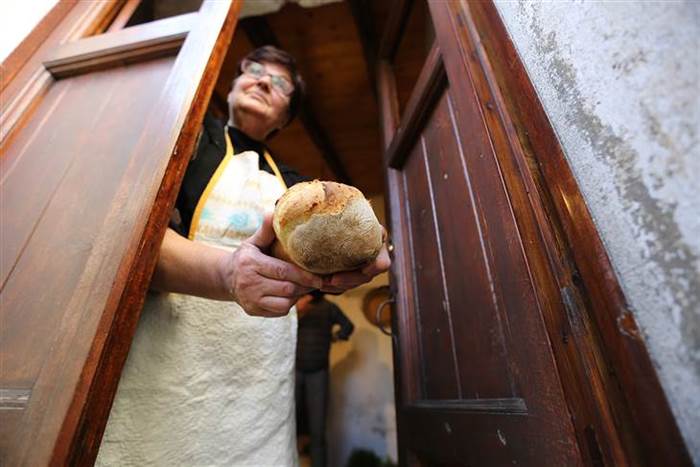
Photo from Today.com

I’m reading The Blue Zones by Dan Buettner.  An unusually large number of Sardinians live into their 100s and remain fit while doing so. Here’s Buettner writing about their diet.

“Their diet was fairly typical of families in the region before the American-style food culture arrived, as surveys before the 1940s revealed. “Shepherds and peasants in Sardinia have an exceptionally simple diet, which is extraordinarily lean even by Mediterranean standards,” a 1941 survey reported.

“Bread is by far the main food. Peasants leave early in the morning to the fields with a kilogram of bread in their saddlebag … At noon their meal consists only of bread, with some cheese among wealthier families, while the majority of the workers are satisfied with an onion, a little fennel, or a bunch of ravanelli. At dinner, the reunited family eats a single meal consisting of a vegetable soup (minestrone) to which the richest add some pasta.

In most areas, families ate meat only once a week, on Sunday. In 26 of 71 municipalities surveyed, meat is a luxury eaten only during festivals, not more than twice a month. Interestingly for a Mediterranean culture, fish did not figure prominently into the diet.”

Ravanelli are radishes. I had to look that up.
A kilogram is 2.2 pounds. That’s a lot of bread! Here’s some info on it:

Much like sourdough bread in the United States, Sardinian sourdough breads are made from whole wheat and use live lactobacilli (rather than yeast) to rise the dough. This process also converts sugars and gluten into lactic acid, lowering the bread’s glycemic index and imparting a pleasant, faintly sour taste.

Pes has demonstrated that this type of bread is able to lower the glycemic load, reducing after-meal glucose and insulin blood levels by 25 percent. This helps protect the pancreas and may help prevent obesity and diabetes.

McDougall: Oils That Come In A Bottle VS. Oils That Occur Naturally In Food

At one point in this video he says, “Fish are highly contaminated … by environmental chemicals.” Fish and seafood are some of the dirtiest food you can eat. You would be hard-pressed to convince people of that. Also, olive oil. People have swallowed the marketing that olive oil is healthy. Nothing could be further from the truth.

Orangutan Heals His Wound With Medicinal Plant

The wound. Now you see it:

Now you don’t. (These are actual photographs of the orangutan in question):

Orangutan seen treating wound with medicinal herb in first for wild animals, The Guardian, 2 May 2024

Researchers say they have observed a male Sumatran orangutan treating an open facial wound with sap and chewed leaves from a plant known to have anti-inflammatory and pain-relieving properties.

“Thirteen minutes after Rakus had started feeding on the liana, he began chewing the leaves without swallowing them and using his fingers to apply the plant juice from his mouth directly on to his facial wound,” the researchers write.

Not only did Rakus repeat the actions, but shortly afterwards he smeared the entire wound with the chewed leaves until it was fully covered. Five days later the facial wound was closed, while within a few weeks it had healed, leaving only a small scar.

The team say the plant used by Rakus is known to contain substances with antibacterial, anti-inflammatory, anti-fungal, antioxidant, pain-killing and anticarcinogenic properties, among other attributes, while this and related liana species are used in traditional medicine “to treat various diseases, such as dysentery, diabetes and malaria”.

Orangutan heals face wound using plant medicine in Indonesia in documented first, USAToday, 2 May 2024

Scientists concluded that Rakus knew the process would heal him because orangutans rarely eat poultice, because of the precise placement of the plant on the wound and the amount of time it took.

‘Orangutan, heal thyself’: First wild animal seen using medicinal plant, Nature, 2 May 2024

Orangutans in the area rarely eat this plant.

Humans might even have discovered some remedies by watching animals, he says. “Probably our ancestors were looking at other animals and learning about medicines.”

Each of these stories claims this is a “first”, the first time we have borne witness to a wild animal intentionally healing itself with a plant. Yet, at the end of these articles it says, for example, “humans have discovered some remedies by watching animals.” Which is it? Are we just now noticing that animals use plants as medicine? Or have we been noticing it for ages?

Maybe we’re being a bit anthropocentric here. We really need to give credit where credit is due.