Monthly Archives: March 2015

Another Study Demonstrates The Calorie-Lowering Effect Of Cooking Then Cooling Starch – This Time In Rice

RiceResistantStarch2

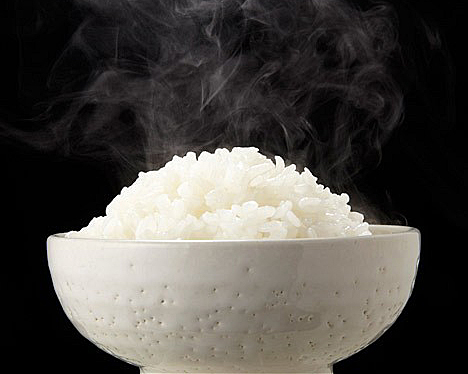
This photo accompanied the Telegraph article. While it’s beautiful, it somewhat misrepresents the research’s finding – that cooled rice contains fewer calories than hot rice. Although reheating rice after its cooled does not eliminate its resistant starch.

What happens to the starch in pasta, rice, potatoes, corn, oats, and many other starchy foods when you cook them, then allow them to cool slowly? The starch becomes resistant to our digestive enzymes. I’ve been writing about resistant starch (RS) for 10 years now so it’s probably familiar to you. Resistant starch passes through to the colon undigested and ends up feeding resident bacteria. We derive significantly fewer calories from starchy food that has been heated and cooled compared to just heated. We also derive benefit from the byproducts of the bacteria that eat the starch, e.g short-chain fatty acids and some vitamins. And, given the findings in this study, we may also derive cognitive benefit by populating our gut with beneficial RS-eating microorganisms.

Research presented at the American Chemical Society annual meeting last week described a technique for reducing calories in rice by up to 60%. You simply cook then cool the rice:

“The cooling is essential because amylose, the soluble part of the starch, leaves the granules during gelatinization,” explains [team leader Sudhair A. James]. “Cooling for 12 hours will lead to formation of hydrogen bonds between the amylose molecules outside the rice grains which also turns it into a resistant starch.” Reheating the rice for consumption, he notes, does not affect the RS levels.

Again:

RS is not broken down in the small intestine, where carbohydrates normally are metabolized into glucose and other simple sugars and absorbed into the bloodstream.

One more point. I say this often but it seems to go into the ether or something:

“After your body converts carbohydrates into glucose, any leftover fuel gets converted into a polysaccharide carbohydrate called glycogen,” [James] explains. “Your liver and muscles store glycogen for energy and quickly turn it back into glucose as needed.

People say that leftover glucose gets converted to fat. It doesn’t. It gets converted into glycogen, which is not fat.

Some headlines:

I wouldn’t call this technique “new,” would you?
New Low-Calorie Rice Could Help Cut Rising Obesity Rates, Press release from the American Chemical Society

This next title implies it’s more about the cooking. It’s not. It’s more about the cooling. By the way, this author says starch “has one central flaw: it isn’t that good for you.” The starch in potatoes, pumpkins, squashes, beans, peas, corn, carrots, barley, oats, wheat, and rice aren’t good for you. He also says that cooked potatoes are less healthful than raw potatoes. I don’t think I would ever eat a potato that wasn’t cooked:
Scientists Have Discovered A Simple Way To Cook Rice That Dramatically Cuts The Calories, Washington Post blog

Simple. Yes, it’s simple:
Simple Rice-Cooking Hack Could Reduce Calories By 60 Per Cent, The Telegraph

It’s true, eat it cold for fewer calories. But you can also reheat it if you don’t like it cold. Reheating won’t eliminate the resistant starch. In fact, the more you reheat and recool, the more resistant starch you create:
‘Eat Rice Cold For Fewer Calories’, BBC
New Study: High Fat Diet Alters Behavior And Brain Via Changes In Gut Bacteria

GutBrainPress release: High-Fat Diet Alters Behavior And Produces Signs Of Brain Inflammation, Elsevier, 26 March 2015

Non-obese mice “received a transplant of gut microbiota from donor mice that had been fed either a high-fat diet or control diet,” and:

The animals who received the microbiota shaped by a high-fat diet showed multiple disruptions in behavior, including increased anxiety, impaired memory, and repetitive behaviors. Further, they showed many detrimental effects in the body, including increased intestinal permeability and markers of inflammation. Signs of inflammation in the brain were also evident and may have contributed to the behavioral changes.

“This paper suggests that high-fat diets impair brain health, in part, by disrupting the symbiotic relationship between humans and the microorganisms that occupy our gastrointestinal tracks,” commented Dr. John Krystal, Editor of Biological Psychiatry.

Study: Obese-type Gut Microbiota Induce Neurobehavioral Changes In The Absence Of Obesity, Biological Psychiatry, 1 April 2015

The present findings represent the first definitive evidence that high-fat diet-induced changes to the gut microbiome are sufficient to disrupt brain physiology and function in the absence of obesity. Specifically, data show that transplantation of microbiota shaped by high-fat diet, but not control low-fat diet, caused significant and selective disruptions in exploratory, cognitive, and stereotypical behavior in conventionally housed, nonobese, diet-naïve mice.

Some background:

The human gastrointestinal tract harbors as many as 100 trillion bacteria from up to 1000 distinct species, and this dynamic population of microbes participates in numerous physiologic functions including nutrition/digestion, growth, inflammation, immunity, and protection against pathogens.

As usual, they ended by saying there may be a future for microbiome therapy, either the oral or injectable route:

“Overall, these data strongly suggest that therapeutic manipulation of the microbiome, which should be highly responsive compared with existing clinical targets, could dramatically mitigate the prevalence and/or severity of neuropsychiatric disorders.”

But … Probiotic pills contain just several billion organisms. That’s a drop in the bucket compared to the 100 trillion that line our GI tract. Getting the probiotics we take by mouth down there, and still viable, is a challenge. But a bigger challenge may be having them establish residence and multiply. Continuing to eat a high-fat diet would discourage that growth, and encourage growth of exactly the type of bacteria you’re trying to supplant. What you eat matters.*

* The non-obese control mice, who had a healthy gut microbiome, ate low-fat (13.5% fat, 58% carbohydrate). The obese mice, who developed an unhealthy gut microbiome, ate low-carb, high-fat (20% carbohydrate, 60% fat).

Is Genetically Engineered Food Safe To Eat, Or Not?

BittmanMark Bittman, in his new column, says genetically engineered food is safe to eat:

“the Food and Drug Administration [announced] that new breeds of genetically engineered potato and apple are safe to eat. Which they probably are, as are the genetically engineered papayas we’ve been eating for some time. In fact, to date there’s little credible evidence that any food grown with genetic engineering techniques is dangerous to human health”

They probably are? What does he base that probability on? Where are the independent, long-term, human studies that found GE potatoes, apples, papayas, corn, soy, and “any food grown with genetic engineering techniques” were safe to eat?

Elsewhere he says:

“It’s safe to say that novel biotechnologies broadly deployed may well have unexpected consequences.”

So, GE food is safe to eat but eating GE food may have unexpected consequences? Which is it? Why doesn’t he describe the studies he alludes to up top that would put to rest the “unexpected consequences?”

Food that has been genetically engineered to resist application of the carcinogenic herbicide Roundup, and the herbicide itself, go hand in hand. Right now, you don’t get one without the other. Yet he said that GE food grown with Roundup is not dangerous to human health.

Then he says:

“To date, G.M.O.s and other forms of biotech have done nothing but enrich their manufacturers and promote a system of agriculture that’s neither sustainable nor for the most part beneficial.”

So, GE food is safe to eat but is not beneficial? Which is it? Then he says:

“Let’s finally start labeling products made with genetically engineered food. Right now, the only way we can be sure to avoid them is to buy organic food.”

Why do we need to avoid GE food if it’s safe to eat?

I think Bittman put that “safe to eat” paragraph in to spare himself and his newspaper the wrath of Monsanto. What other reason would he have for speaking out of both sides of his mouth?

By the way, I think this is a bad idea:

“Now that the safety of glyphosate is clearly in question, perhaps it’s time to mandate that the corporation, [Monsanto] — not the taxpaying public — bear the brunt of determining whether it should still be sold.”

Monsanto is not going to pay for data that results in decreased sales. They will only pay for data that shows their products help feed the world and are safe to eat. Which is what they’re currently doing.

Vitamin B12, Average Intakes And RDAs

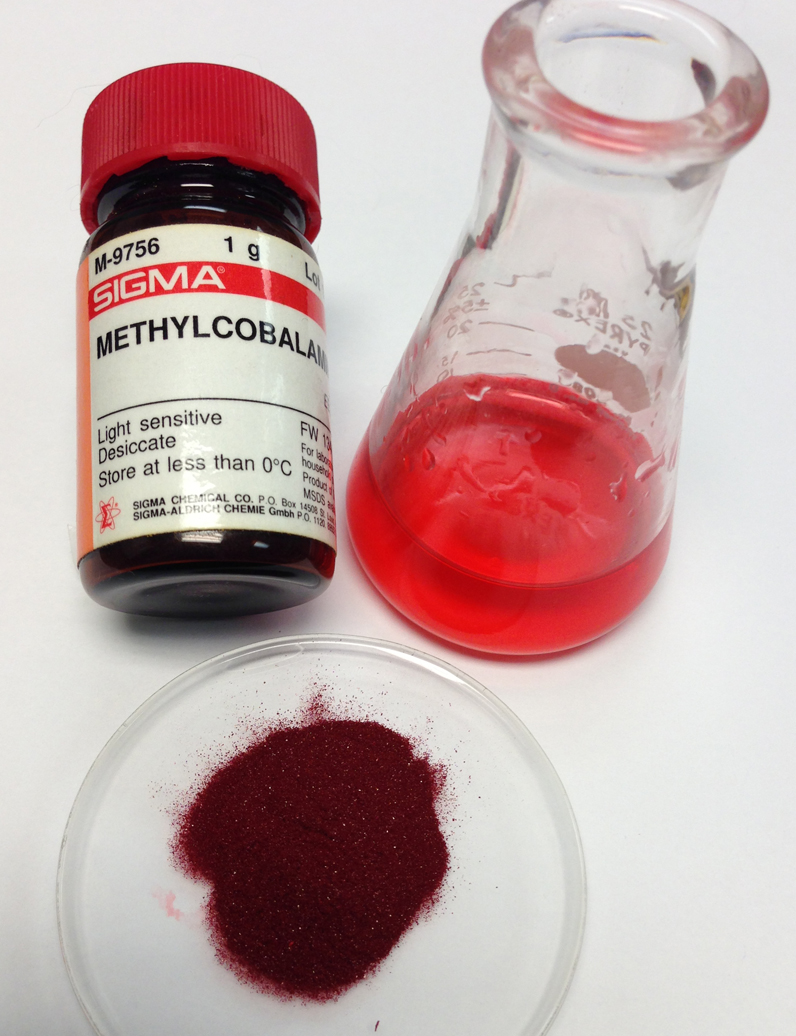
B12_methylcobalamin2

“Methylcobalamin (shown) is a form of vitamin B12. Physically it resembles the other forms of vitamin B12, occurring as dark red crystals that freely form cherry-colored transparent solutions in water.”  – Wikipedia

Here’s a collection of average intakes and RDAs for vitamin B12. If you know of any more, please comment and I’ll update this:

Okinawa intake 1949: 0.6 mcg
Japan intake 1950: 4.0 mcg
Japan RDA 2.2 mcg
UK NHS recommendation: 1.5 mcg
US RDA: 2.4 mcg
US intake: 4.3 mcg
Proposed US RDA: 4 to 7 mcg

The intakes don’t represent daily doses, especially for people like the Okinawans who didn’t eat animal food every day. They’re just averages.

It’s clear that we don’t need very much vitamin B12 …  mcg stands for microgram which is 1/1000th of a milligram, and a milligram is 1/1000th of a gram. But we do need some.

I’ve found a good way to get enough but not too much is by using drops.* One drop contains about 40 mcg, a relatively small amount but difficult to find in high-dose pills.

* Liquid vitamin B12, methylcobalamin, serving size: 1 ml (25 drops) provides 1000 mcg B12. This is a 2 fluid ounce bottle I bought for about $8.

New Study: Higher Protein And Meat Intake Linked To Higher Blood Pressure

ChickenMeatFish2Many things increase blood pressure (BP) … smoking, drinking alcohol, eating too much salt, not getting enough sleep or exercise, being overweight. It looks like consumption of protein and meat are gaining ground as contributors to high BP. This is the newest of several studies that found an association:1

Increased Protein Intake Is Associated With Uncontrolled Blood Pressure By 24-Hour Ambulatory Blood Pressure Monitoring In Patients With Type 2 Diabetes, Journal of the American College of Nutrition, 11 March 2015

Methods: In this cross-sectional study, (BP) of outpatients with type 2 diabetes was evaluated by 24-hour ABPM (Spacelabs 90207) and usual diet by 3-day weighed diet records. Patients were divided into 2 groups according to their daytime ABPM: uncontrolled BP (systolic BP ≥ 135 mmHg or diastolic BP ≥ 85 mmHg) and controlled BP (systolic BP < 135 mmHg and diastolic BP < 85 mmHg).

Results: A total of 121 patients with type 2 diabetes aged 62.3 years, 54.5% of whom were women, were studied. The uncontrolled BP group had higher glycated hemoglobin (HbA1C) values (8.4 ± 2.0 vs 7.6 ± 1.3%; p = 0.04) and consumed more protein (20.0 ± 3.8 vs 18.2 ± 3.6% of energy; p = 0.01) and meat, (2.6 [1.45, 2.95] vs 2.0 [1.49, 2.90] g/kg weight; p = 0.04) than the controlled BP group. In a multivariate analysis, protein intake (% of energy) increased the chance for uncontrolled BP (odds ratio [OR] = 1.16; 95% confidence interval [CI], 1.02, 1.30; p = 0.02), adjusted for body mass index (BMI), HbA1C, low-density lipoprotein (LDL) cholesterol, number of antihypertensive medications, and ethnicity. Meat consumption higher than 3.08 g/kg weight/day more than doubled the chance for uncontrolled BP (OR = 2.53; 95% CI, 1.01, 7.60; p = 0.03).

Conclusion: High protein intake and meat consumption were associated with high daytime ABPM values in patients with type 2 diabetes. Reducing meat intake might represent an additional dietary intervention in hypertensive patients with type 2 diabetes.

Someone who weighed 130 pounds and consumed just 177 grams of meat a day would more than double their chance (2.53 times) of having high blood pressure. I say “just” because one 4 ounce beef patty or chicken breast (112 grams)  plus 3 ounces of tuna (85 grams) puts you over 177 grams and doesn’t include other meat sources for the day. It’s easy to eat this amount of meat in our culture. The Okinawans and Ikarians experienced healthy longevity eating less meat in a month than many Americans eat in a day.

1 Vegetarian Diets And Blood Pressure: A Meta-Analysis, JAMA Internal Medicine, April 2014
Conclusion: Consumption of vegetarian diets is associated with lower BP. Such diets could be a useful nonpharmacologic means for reducing BP.

Cornbread Recipe: Vegan, No Added Fat

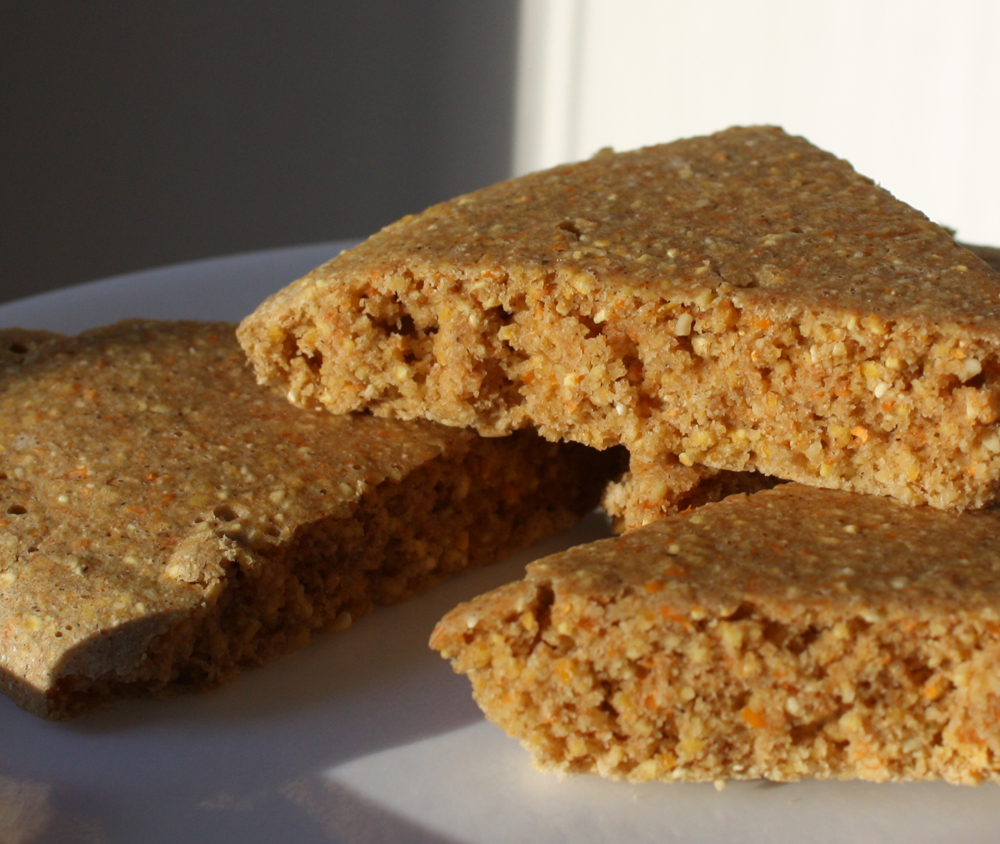
Cornbread2This was better than I expected. I really like cornbread but I stopped making it because I thought you couldn’t produce a decent product without adding milk, eggs, butter, or oil. I went ahead and designed a simple recipe anyway.

Since this was a technology demonstrator I used small amounts of everything. I didn’t have any baking powder in the house so I improvised with a mixture of baking soda and vinegar. (An acid plus a base creates carbon dioxide gas when mixed. The gas makes the bread rise.) I wasn’t sure about the mix ratio but wikihow said: “add 1/2 teaspoon of vinegar or lemon juice for every 1/4 teaspoon of baking soda,” which worked great.

I’m actually posting this, not because I think lots of people will be interested but to remind myself how to do it in case I lose the piece of paper I wrote it on. So, there’s a good chance I’ll come back and edit this as I attempt variations. I’d like to double the batch but I wonder if it will be gummy. Live and learn.

Cornbread Recipe: Vegan, No Added Fat

This is a small test batch. The full batch is below. (This is actually better than the double batch, moister.)
Preheat oven to 425 degrees. Preheat a 9″ glass pie pan in the oven.

Ingredients:
1/2 cup cornmeal (I used a medium grind, that’s why you see a pebbly texture)
1/2 cup whole wheat pastry flour
1/2 level teaspoon baking soda
Dash cinnamon
1/8 teaspoon salt
1/2 cup water
1 teaspoon vinegar (I used red wine vinegar, all I had. It may have given the final product a pink tinge.)
2 tablespoons maple syrup

  1. Blend the first 5 dry ingredients together. Make sure the baking soda is dispersed throughout.
  2. Whisk together the last 3 wet ingredients.
  3. Mix the wet and dry ingredients together and, working very quickly stir with a spoon to create a batter and pour the batter into the preheated pie pan in the oven. You have to work quickly because the baking soda isn’t “double rise” and you want some of the gas it forms to happen in the oven.

I baked it for just 12 minutes, just until it started turning brown on top. Timing is important … you don’t want a gummy product nor do you want it too dry (especially since I wasn’t using any fat).

When it was cool I cut it into wedges and put them into the freezer. I hadn’t used any oil or parchment on the glass pan but it didn’t stick at all (after it cooled). Even defrosted the next day they were moist! I can do a lot with this … take out the maple syrup and add peppers and cumin for a Mexican flavor (served with black bean soup), or add some corn kernels or maybe some flax seed. But for a first try, I’m happy with it!

CornmealBobsRedMillUpdate, 23 March: Someone asked what type of cornmeal I used. It was Bob’s Red Mill, medium ground, photo to the right. It says, “Because corn germ is at such a premium for unsaturated cooking oils and margarines, most other makers of corn products remove it.” Bob leaves the germ in. It does have more of a corny flavor than, say, polenta or grits.

Update, 24 March: Here’s the recipe for a double batch:

1 cup cornmeal
1 cup whole wheat pastry flour
1 level teaspoon baking soda
1/2 teaspoon cinnamon
1/4 teaspoon salt
1 cup water
2 teaspoons vinegar
4 tablespoons (=1/4 cup) maple syrup

Everything else is the same (425 degrees, preheated 9″ pie pan) except bake it for about 18 minutes.

New Study: Eat Less Sodium, Live Longer

Tipped-over Salt Shaker --- Image by © Tom Grill/CorbisIs Complying With The Recommendations Of Sodium Intake Beneficial For Health In Individuals At High Cardiovascular Risk? Findings From The PREDIMED Study, American Journal of Clinical Nutrition, February, 2015

Conclusions: Decreasing sodium intake to less than 2300 mg/d was associated with a reduced risk of all-cause mortality, whereas increasing the intake to above 2300 mg/d was associated with a higher risk of cardiovascular disease.

These were people who already had a high risk for cardiovascular disease (CVD). In those who lowered their sodium to less than 2300 mg/day, there was a 48% lower risk of dying in 1 year of follow-up. That lower risk held for 3 years of follow-up (49%). If they increased their sodium intake to above 2300 mg, there was a 72% higher risk of having a heart attack within a 1 year follow-up.

So, you can halve the risk of premature death by eating less salt? Why not?

Sodium increases blood pressure. If you eat a lot of sodium, and often, you can experience chronically high blood pressure. High blood pressure damages arteries. That damage sets the stage for atherosclerosis. (Immune cells, calcium, and lipids tend to accumulate at damaged areas.) And atherosclerosis sets the stage for stroke and heart attack.

One level teaspoon of table salt (about 6 grams) contains about 2325 mg of sodium. If you wanted to keep your sodium intake to less than 2300 mg, you’d have to eat less than a teaspoon of salt a day. But that includes the sodium hidden in food. For example, one serving of Oscar Mayer fat-free oven-roasted chicken breast has about 646 mg of sodium, an ounce of American cheese has 428 mg, a couple teaspoons of mustard have 114 mg, a tablespoon of mayo about 120 mg, a couple slices of bread about 320 mg. One fairly simple sandwich could use up half your day’s allowance even before you shake any salt.

Eating A Big Breakfast And A Small Dinner Leads To Lower Blood Sugars Throughout The Day

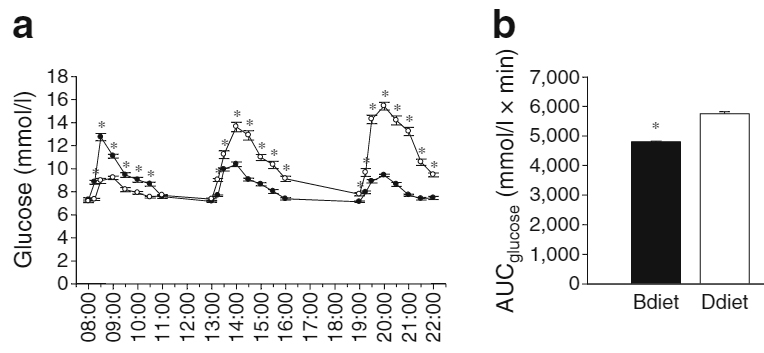
BreakfastLunchDinnerEating a big breakfast and a small dinner, or pushing your calories back to earlier in the day, leads to lower blood sugars throughout the day compared to eating most of your food at night. That’s what this new study found:

High-Energy Breakfast With Low-Energy Dinner Decreases Overall Daily Hyperglycaemia In Type 2 Diabetic Patients: A Randomised Clinical Trial, Diabetologia, 1 March 2015

Conclusions/interpretation: High energy intake at breakfast is associated with significant reduction in overall PPHG* in diabetic patients over the entire day. This dietary adjustment may have a therapeutic advantage for the achievement of optimal metabolic control and may have the potential for being preventive for cardiovascular and other complications of type 2 diabetes.

* PPHG: Postprandial hyperglycemia, high blood glucose after eating.

It used a crossover design so subjects were randomized to one diet for 7 days then switched to the other diet for 7 days. Diets had the same number of calories, same carb/fat/protein amounts; they differed only by time of day eaten.

The big-breakfast diet (Bdiet) provided these calories per meal, the big-dinner diet (Ddiet) was reversed:

  • 2946 kj (~704 kcal) breakfast (8:00 am)
  • 2523 kj (~603 kcal) lunch (1:00 pm)
  • 858 kj (~205 kcal) dinner (7:00 pm)

From the chart below… Glucose was higher after breakfast in the big-breakfast (Bdiet) group, but was considerably lower after lunch and dinner, such that the total glucose roaming the bloodstream during the day, shown by the total area under the curve (AUC), was significantly lower in the Bdiet group.

BigBreakfastLowerGlucose

The lunch meals were exactly the same, but:

Despite the diets being isoenergetic, lunch resulted in lower glucose (by 21–25%) and higher insulin (by 23%) with the Bdiet vs Ddiet.

How does this happen?

This is achieved in part by the circadian secretion and activity of enzymes and hormones involved in the regulation of postprandial glycaemia [9–13].

Also from their literature review:

The omission of breakfast was also associated with increased risk of type 2 diabetes, poor glycaemic control, higher HbA1c, increased lipogenesis, visceral adiposity and high blood pressure and increased cardiovascular risk despite the same daily energy intake in individuals with type 2 diabetes [20,21].

These were not whole food, plant-based meals. Indeed, there was animal food at least 7 times a day (tuna, egg, yogurt, milk, chicken, cheese, turkey). (Would you consider this eating animal food in moderation?) But since each person acted as their own control, and the foods were held constant, it does shed light on the effects of timing vs. content.

This study, since it focuses more on when to eat instead of what to eat, reminds me of the study in this post: Limiting Eating To 8-12 Hour Period Causes Weight Loss, Diabetes Reversal In Mice.