Monthly Archives: January 2015

Vitamin And Energy Drinks: More Risk Than Benefit

VitaminDrinks2Americans spend over $18 billion a year on vitamin drinks and sports beverages. Why? Because they are high-profit foods that are marketed well, not because they make people healthier.

Are Vitamin Drinks a Bad Idea?, New York Times, Well Blog, 30 January 2015

The vitamins supplied in these drinks are on top of vitamins people get in supplements, which are on top of vitamins people get in fortified foods, which are on top of vitamins that occur naturally in foods.

Some highlights:

More than half of all adults in the United States take a multivitamin or dietary supplement. Bread, milk and other foods are often fortified with folic acid, niacin and vitamins A and D.

A study published in July found that many people are exceeding the safe limits of nutrient intakes established by the Institute of Medicine.

Some of these products promised improvements in energy and immune function, while others promoted “performance and emotional benefits related to nutrient formulations that go beyond conventional nutritional science,” the researchers said.

“It’s very hard to figure out the logic the manufacturers are using to do this fortification,” [Valerie Tarasuk, nutrition science professor, faculty of medicine at University of Toronto] said. “There’s no way that the things that are being added are things that anybody needs or stands to benefit from.”

In nature, there are checks and balances that prevent overconsumption of vitamins and antioxidants, she said. It is hard to ingest too much niacin, for example, by eating whole foods like mushrooms, fish or avocados, which are natural sources of niacin that come bundled with fiber, protein and fat. But someone can easily exceed the daily recommendation for niacin with a single bottle of “formula 50” Vitaminwater, which contains 120 percent of the daily value for it (along with 120 percent of the values for vitamins C, B6, B12 and pantothenic acid).

“These fat soluble vitamins are very stable,” [Mara Vitolins, registered dietitian and professor of epidemiology] said. “They’re not released in the urine. If you are over-consuming them [fat soluble vitamins A, D, E, K], you can raise your levels gradually over time and get into trouble with liver function. You have to be very careful with them.”

“We don’t know what the effects of chronic exposure may be. With these products, we’ve embarked on a national experiment,” said Dr. Tarasuk.

Supplements (vitamin and energy drinks, pills, and powders are all dietary supplements) are marketed to either enhance some physical or mental attribute or as insurance, a way to fill perceived gaps in our diets.

But there are risks in:

  • Taking too much of a vitamin or nutrient (e.g. taking just 400 IUs of vitamin E was found to increase the risk of prostate cancer in healthy men).
  • Reducing absorption of other nutrients (e.g. zinc interferes with iron absorption, calcium interferes with magnesium and chromium absoption).
  • The quality of the supplement (they have been shown to contain bug parts, oxidized fats, GMOs, plastics, pesticides, heavy metals like mercury and lead, mold, bacteria, artificial colors/flavors/sweeteners, preservatives, sodium, excess sugar.)
  • Believing the label (what a label says is in the bottle is not always what is in the bottle).
  • Side effects of either the active ingredient or chemicals the supplement is mixed or packaged with.

No government body, including the FDA, tests that supplements are safe and effective. So all of these risks are real.

Here’s a chart of side effects from my post, Unsafe Supplements And The Revolving Door Between The Supplement Industry And FDA:
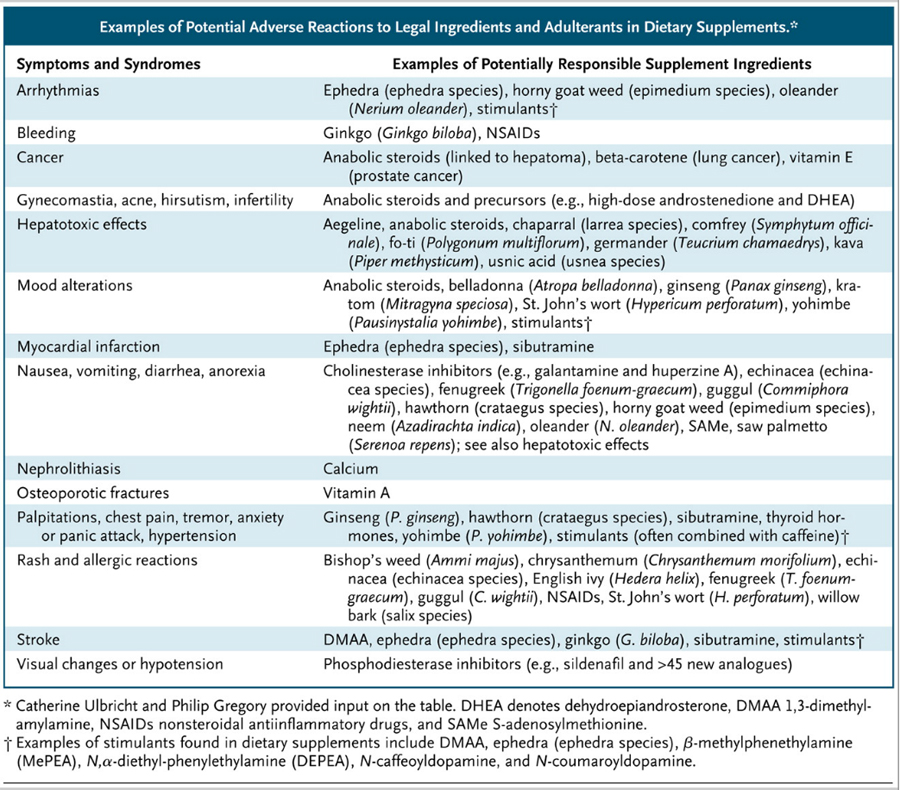
SupplementSideEffects

Note that prostate cancer is listed as a side effect of taking vitamin E, which I discussed here.
 

Study: People Who Eat A Low-Fat Diet Have Higher Levels Of Omega-3s (EPA And DHA) In Their Blood

AF5R1X Fresh spinach

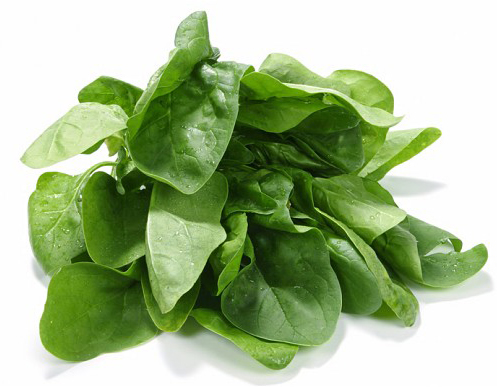
Green leafy vegetables like spinach and romaine lettuce are unusual in that they contain more omega-3 than omega-6. Spinach has over 5 times the amount of omega-3 than omega-6. When you eat a low-fat diet, those omega-3s are converted to EPA and DHA more readily.

Evidence is growing that the risks associated with taking fish oil (or eating seafood, which is becoming increasingly more contaminated) may be greater than the benefits. The study in this post found that fish oil increased lung tumors and shortened lifespan in mice. There have also been a number of studies linking fish oil to prostate cancer.

What’s an alternative? Just eat less fat. That’s what this next study found. It was small, 10 people, but it was well controlled. It compared the effect of a low-fat diet (20% energy) to a high-fat diet (45% energy) on type of fats in the blood. The diets had the same calories and the same proportions of fatty acids (1:1:1 for poly:mono:sat).

Total Fat Intake Modifies Plasma Fatty Acid Composition in Humans, The Journal of Nutrition, February 2001

It was a crossover design, so participants ate one diet for a month, then their usual diet for a month as a wash-out, then the other diet for a month.

When they ate the low-fat diet, they had higher levels of omega-3 (n-3) fatty acids and lower levels of omega-6 fatty acids in their blood compared to the high-fat diet:

The low fat diet was associated with significantly greater total (n-3) fatty acids, 20:5(n-3) and 22:6(n-3) levels in plasma phospholipid fatty acids and cholesteryl esters.

Eicosapentaenoic acid or EPA is 20:5(n-3) and docosahexaenoic acid or DHA is 22:6(n-3).

The consumption of a low fat diet promotes an increase in the level of total and highly unsaturated long-chain (n-3) fatty acids (>C20) and a decrease in the total (n-6) content of plasma phospholipid and cholesteryl ester fatty acids. The observed modifications in phospholipid and cholesteryl ester fatty acids in response to a low fat diet are similar to those observed when (n-3) fatty acids of plant or animal origin are fed. This may explain some of the beneficial effects of low fat diets.

To repeat that next to the last sentence:

Consumption of a low fat diet alters fatty acid patterns in a manner similar to that observed with feeding of (n-3) long-chain fatty acids.

So, eating a low-fat diet (20% of calories in this study) increased omega-3s in the blood similar to taking fish oil or other omega-3 fatty acid-rich food.

How can you end up with higher amounts of omega-3s, especially the longer chain EPA and DHA, if you’re not actually eating them?

This change is likely related to decreased competition for the enzymes of elongation and desaturation, with reduced total intake of 18:2(n-6) favoring elongation and desaturation of available (n-3) fatty acids.”

In a low-fat diet, there’s less omega-6 floating around to fill the slot on these enzymes, giving more omega-3s the chance to be converted to EPA and DHA.

This isn’t a new study. It’s not new knowledge – that n-6 and n-3 compete for enzymes and that the less omega-6 you take in the more long chain omega-3 you’ll make. But omega-3s are being marketed so aggresively that knowledge of this benefit (of a low-fat diet) is getting muffled and even forgotten.

If you want more EPA and DHA, eat a low fat diet.

Python Swallows An Entire Deer

The liver doubles in size within 2 days. The heart grows by some 40%. Just to power digestion. That’s something else.

And because swallowing a deer makes it impossible to breathe, the python “is able to push the top of its windpipe right out of its mouth and so continue to take in air.”

PythonSwallowsDeer

Severe Acne In Twins, Cleared Up With Diet

Nina and Randa Nelson are identical twins. They were raised vegan, so they didn’t eat animal foods. At the age of 20, in the spring of 2014, they developed severe acne. They consulted with three dermatologists, took several courses of antibiotics, used special cleansers, tried blue light therapy (I never heard of that), all without success. After reading this article that linked dietary fat with acne, they eliminated foods they had recently added in larger quantities … especially peanut butter, soymilk and other soy foods, cooking oils, avocado, almonds and other nuts. (“We eliminated many of the vegan foods we had been eating like soymilk, guacamole, avocados, nuts, hummus, Clif bars, olives, and peanut butter.”)

Here’s their story:
Nina & Randa Nelson: Cure Embarrassing Acne & Oily Skin

These before and afters photos are about 6 weeks apart:

nina-before-01 nina-before-02

randa-before-01 randa-before-02

nina-after randa-after

nina-randa-together

Their present diet consists of “oatmeal, … brown rice with veggies, potatoes, sweet potatoes & steamed veggies, condiments, lots of beans, applesauce, yonanas with oats, whole wheat or rice pasta with spices to jazz it up. We also eat extra fruit, dried fruit, and smoothies with oats in order to keep our weight on.”

Of course, this is just a testimonial. It’s hard to say if the foods they stopped eating really did cause their acne. It’s hard to say if it was the fat in them or the protein. Some people have an allergic reaction to proteins in peanuts, tree nuts, and soy beans. Still, a low-fat, starch-based, plant food diet is an easy, inexpensive, no-risk therapy to try if you suffer from acne.

Dublin Doctor Sees Cancer Growth Halted In His Patients Who Remove Animal Protein From Their Diets

DrJohnKelly

Dr. John Kelly

Here’s a review of the recently published book, “Stop Feeding Your Cancer.” The author of the review says it is “probably the most important book to be published here this year.”

Book Review: The Dublin Doctor Who Is Beating Cancer, John Spain, The Independent, July 2014

Here’s the book: Stop Feeding Your Cancer: One Doctor’s Journey, Dr. John Kelly, November 2014

Dr. Kelly’s impetus for encouraging his cancer patients to stop eating animal food came from Dr. Campbell’s research:

Campbell’s early research had showed that feeding rats an animal protein diet made them develop cancers. Even more significant, it showed that changing their diet back to plant protein halted the development of the tumours. And putting them back on the animal protein diet again made the cancers start to spread again. The cancer literally could be switched on and off.

[Kelly] decided to put [Campbell’s] findings to work in his own practise, conducting what he calls a “field study” among his patients who developed cancer. He has been doing this now for almost a decade, recording the results meticulously.

What emerged is truly extraordinary. All of the patients who adopted the animal protein-free diet and stuck to it strictly found that their cancer stopped growing and spreading. The tumours became dormant, sometimes even reducing in size.

It’s not as clear-cut as it looks though, because many of his patients concurrently underwent conventional cancer treatment … surgery, chemotherapy, radiation. Still, according to Spain, “conventional cancer treatment alone does not have this success rate.”

Notably, those patients who “became complacent as they got better and could not resist going back to having steaks and fry-ups when their specialists gave them the all clear” saw their cancers return.

New Study: Cancer Risk From E-Cigarettes Up To 15 Times Greater Than From Regular Cigarettes

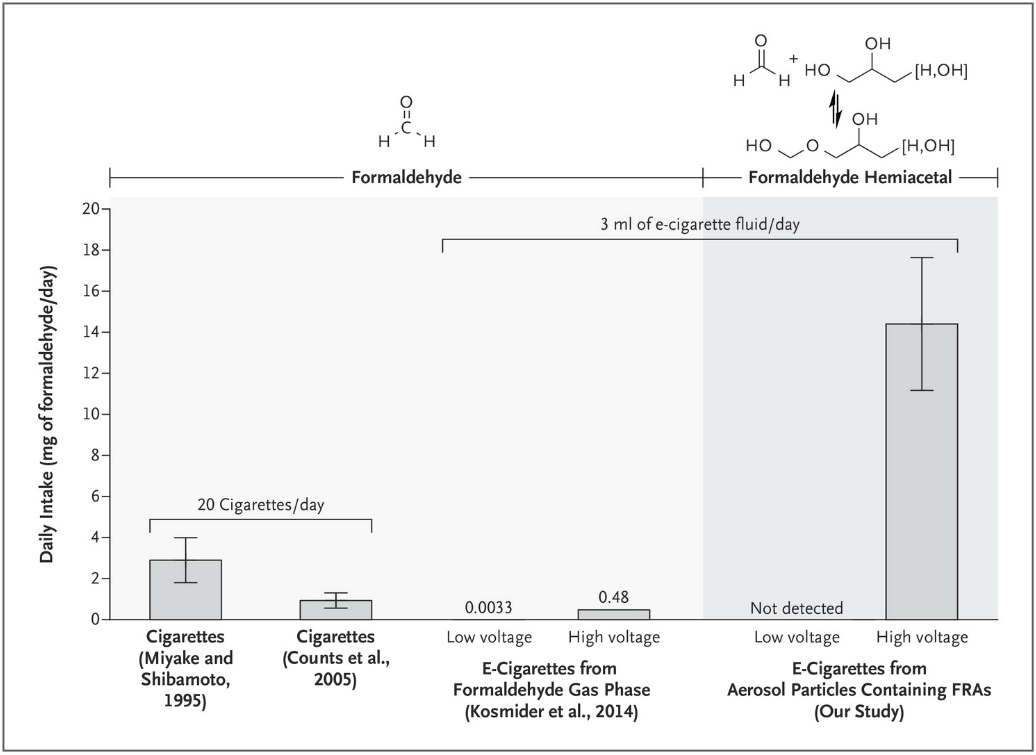
This new study found that vapers are exposed to levels of formaldehyde from e-cigarettes that are up to 15 times the levels associated with regular cigarettes. The lifetime cancer risk from vaping, based on exposure to just this one chemical, was estimated to be up to 15 times the risk seen from smoking cigarettes:

Hidden Formaldehyde In E-Cigarette Aerosols, New England Journal Of Medicine, 22 January 2015

Formaldehyde is an International Agency for Research on Cancer group 1 carcinogen.

Long-term vaping is associated with an incremental lifetime cancer risk … 5 times as high, or even 15 times as high … as the risk associated with long-term smoking. In addition, formaldehyde-releasing agents may deposit more efficiently in the respiratory tract than gaseous formaldehyde, and so they could carry a higher slope factor for cancer.

FormaldehydeECigarettes

Big tobacco companies, I imagine, will fight these types of studies the way they fought studies that implicated cigarette smoking in cancer … by inflicting doubt, by pointing to study limitations as flaws, by claiming that risk studies and correlations do not prove cause and effect. Monsanto uses these techniques to push GMOs. Beef and dairy industries use them to push their products. It’s about business and profit, not public health.

The three biggest tobacco companies — Altria (Philip Morris), R.J. Reynolds and Lorillard — are investing heavily in e-cigarettes, creating their own product lines and buying up whole e-cigarette companies.

Our country has spent 50 years working to get smoking out of the public eye, and the tobacco industry has fought these initiatives every step of the way. They are engaged in the e-cigarette fight, too — they are working to persuade individual lawmakers every day.
Big Tobacco Lurks Behind e-cigarettes

Study: Fish Oil Linked To Lung Tumors And Shorter Lifespan In Mice

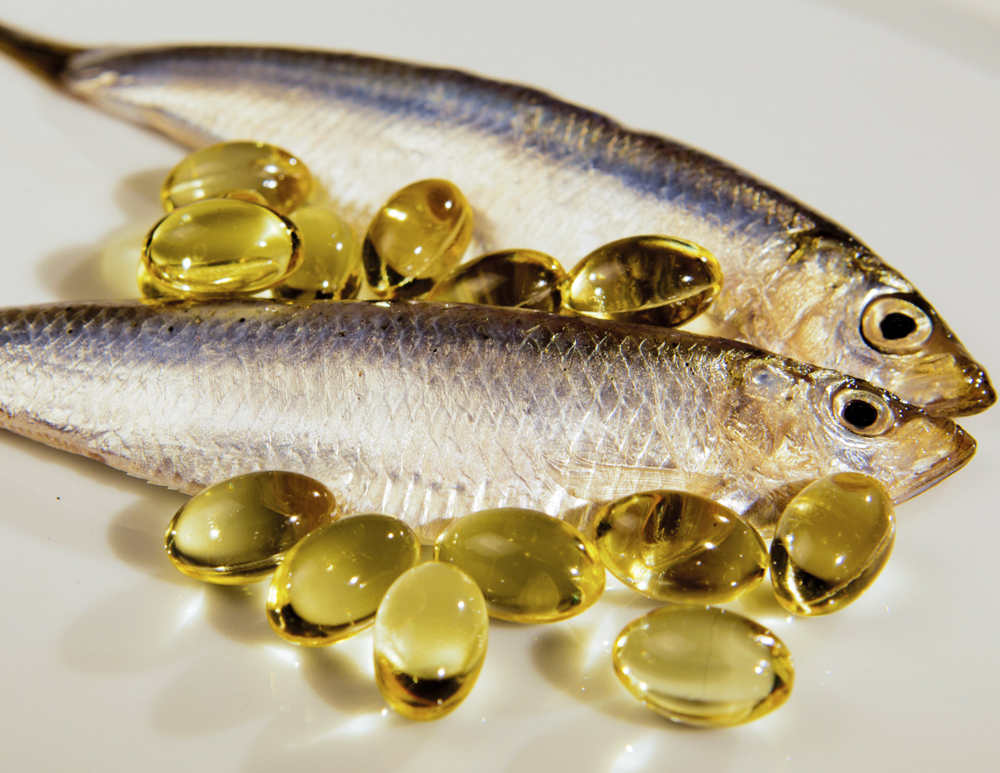
FishOil9I’m not the fan of supplements that I used to be, especially fish oil. Recall the recent big and well-publicized study which found that men with high blood levels of omega-3 fatty acids were more likely to develop prostate cancer. It hasn’t been the only one to suggest that omega-3s contribute to cancer, just the most recent:

Plasma Phospholipid Fatty Acids and Prostate Cancer Risk in the SELECT Trial, Journal of the National Cancer Institute, July 2013

“Conclusions: This study confirms previous reports of increased prostate cancer risk among men with high blood concentrations of [long-chain omega-3]-PUFA. The consistency of these findings suggests that these fatty acids are involved in prostate tumorigenesis. Recommendations to increase LCω-3PUFA intake should consider its potential risks.”

Here’s another recent study in the same vein.  It also ends with a warning about taking fish oil:

Dietary Supplementation With Lovaza And Krill Oil Shortens The Life Span Of Long-Lived F1 Mice, Age, June 2014

Lovaza/Omacor* and/or krill oil:

  • Significantly shortened life span.
  • Increased the number of enlarged seminal vesicles (7.1-fold).
  • Significantly increased lung tumors (4.1- and 8.2-fold).
  • Increased levels of blood urea nitrogen, bilirubin, triglycerides, and blood glucose.

Doses of krill oil and Lovaza consistent with those recommended for human use decreased the life span of healthy mice. In light of the current uncertainties regarding the efficacy of purified marine oils in treating human diseases, our results do not support their use to increase health or life span.

The authors say that the mice died of either heavy bleeding or lung tumors, both a result of the effects of fish oil, not any possible toxins in the fish oil.

* These are concentrated and highly purified forms of fish oil approved as drugs by the FDA for treatment of hyperlipidemia.

Dvorak’s New World Symphony

I really like this piece of music. It’s the 2nd movement, the slow movement, of Dvorak’s New World Symphony. I like this version too. This is by the Dublin Philharmonic with conductor Derek Gleeson.