Category Archives: Plant-Based Diets

Do Vegetarians Get Enough Protein?

Dr. Greger answered the perennial question, “Do vegetarians get enough protein?”

His answer was yes:

“Vegetarians get 70% more protein than they need every day.”

He says there is a nutrient though for which 97% of Americans are deficient: dietary fiber. Americans get about 15 grams a day; the minimum daily requirement is 31.5 grams (that’s the minimum).

So, the question shouldn’t be, “Where do you get your protein?” but “Where do you get your fiber?”

“More than half of Americans think steak is a significant fiber source. By definition, fiber is only found in plants. There is no fiber in meat, dairy, or eggs.”

And:

“96% of Americans don’t eat the recommended minimum daily intake of beans.”

High Carb, High Fiber, No Dairy: All Linked To Lower Prostate Cancer Risk

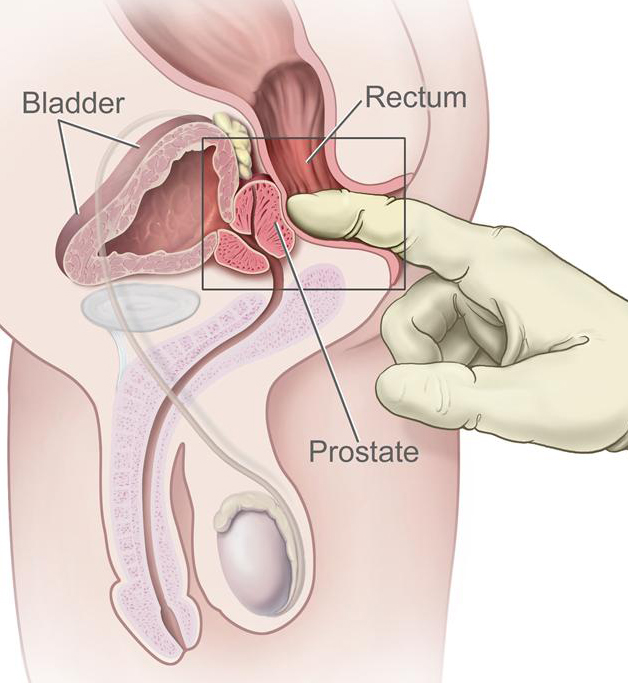
ProstateGraphic2Here are three abstracts from this year’s American Urological Association meeting. All of them provide evidence for eating a whole food, plant-based diet to reduce the risk for prostate cancer.

(To read the abstract, visit the  abstract search page and enter the PD number in the “Publication Number” field.)

1. Carbohydrate Intake, Glycemic Index, And Prostate Cancer Risk, Abstract PD31-11.

This study analyzed data from 430 veterans’ medical records. Those eating the most carbohydrate had up to a 75% lower risk for prostate cancer compared with those eating the least. High fiber intake was also associated with a significant reduction in prostate cancer. Interestingly, these researchers conducted this study because they thought that a high-carbohydrate diet was a risk factor for prostate cancer. They found the opposite.

“Conclusions: Among men consuming a Western diet, our findings suggest higher carbohydrate intake and thereby lower intake of other macronutrients (i.e. protein and fat) may be associated with reduced risk of overall [prostate cancer] and both low- and high-grade [prostate cancer]. … When examining the [glycemic index] of the diet, there was no association.”

2. Dairy Intake And Prostate Cancer Risk: Results From The California Collaborative Prostate Cancer Study, Abstract PD31-06

Data from 2953 cases and controls were analyzed. From MedPageToday: “Compared with men who reported rarely or never drinking milk, low intake was associated with a 33% increase in the odds of advanced prostate cancer, increasing to 43% among men reporting high intake (P=0.037 for trend).”

“Conclusions: These finding suggest that even though most of the putative effect of dairy products on [prostate cancer] risk seems to be explained by calcium, among men with overall low levels of calcium from diet and supplements, high intake of dairy products seems to have a separate effect, suggesting additional components in dairy that may contribute to prostate cancer development.”

3. Metabolic Syndrome Components And Prostate Cancer Risk: Results From The REDUCE Study, Abstract PD31-01

This study analyzed data from 6,426 men who took part in the REDUCE trial (Avodart/dutasteride vs. placebo, Avodart is used for BPH). Men with two components of the Metabolic Syndrome had a 35% increased risk for prostate cancer; men with 3 or more components had a 94% increased risk.

Metabolic Syndrome consists of these 5 components. Having 3 or more means you likely have Metabolic Syndrome, and now, apparently, a higher risk for prostate cancer:

  • Abdominal obesity (high waist circumference)
  • Elevated blood pressure
  • Elevated triglycerides
  • Low HDL cholesterol
  • Elevated fasting glucose

“Conclusions: Men with multiple [Metabolic Syndrome] components may be at higher risk of being diagnosed specifically with high-grade [prostate cancer].”

If the claims made by low-carb enthusiasts are true … that eating a low-carbohydrate, high-fat, high-protein, high animal food diet lowers the risk for cancer, why do so many studies point to the opposite?

Taubes: 10,000 Calories Can Leave You Hungry (If It’s Mostly Carbs). Really?

In the video below, Gary Taubes tells the story of prisoners who were given additional carbs on top of their baseline diet (of about 3000 calories). They ate a lot, “as many as 10,000 calories a day.” “And then they said they’d go to bed hungry.” But when fat was added to their diet instead of carbs … no, they couldn’t add fat to their diet, the prisoners’ eating urge prevented it. (He doesn’t say, but I assume the “baseline” diet was composed of a mix of carbs, protein, and fat in something like the typical American diet: 55/15%/30%, not itself a “low-carb” or high-carb” diet.)

I like this point he raises about appetite. Appetite is a crucial component of our body’s weight management system.

“You can’t divorce the regulation of appetite from the regulation of energy storage. … If you try to force someone to overeat it’s going to feed back on appetite and energy expenditure, in such a way that they’re not going to be able to do it.”

In his example above, Taubes said that carbohydrate doesn’t feed back on appetite, but fat does … that when the prisoners ate fat, their appetite waned, but when they ate carbohydrates, their appetite was sustained. But 10,000 calories and still hungry? I’m having a hard time with that…

EvoDiet3

Photo of the actual food participants ate during The Evo Diet Experiment. From BBC.

Remember the Evo Diet? A group of volunteers were housed at a British zoo for 12 days and fed “the sort of diet our ape-like ancestors once ate.” Each morning a cooler containing 11 pounds of fruits, vegetables, and nuts was delivered to each participant (see photo). It was a very high-carb, low-fat diet that provided enough calories so that participants wouldn’t lose weight. Well, participants lost weight. Many couldn’t finish their 11 pounds of food.

After just 12 days on the Evo Diet:

  • Cholesterol dropped 23% (e.g. From 210 to 162 mg/dl)
  • Blood pressure dropped from 140/83 to 122/76
  • Weight dropped 9.7 lbs

Barnard et al. found the same thing when he told his study participants, who were not in a zoo but were free-living, and who had diabetes no less, to eat unlimited amounts of whole plant food (cooked or raw).1  That included … potatoes, squashes, corn, rice, oats, wheat, beans, legumes, and all manner of fruits and vegetables.  It was very high-carb, over 70% of their food energy came from carbohydrates.

After 6 months on the whole food plant-based diet:

  • Weight dropped 14.3 pounds
  • HbA1c fell 1.23 points (HbA1c is a measure of blood glucose)
  • LDL cholesterol fell 21.2%

They also experienced reductions in BMI, waist circumference, total cholesterol, had improved kidney function, and many reduced their diabetes medications. They were eating unlimited amounts of food.

It is simply not true that a diet of mostly carbohydrates is not satisfying or cannot contribute to weight loss.

1A Low-Fat Vegan Diet Improves Glycemic Control And Cardiovascular Risk Factors In A Randomized Clinical Trial In Individuals With Type 2 Diabetes, Diabetes Care, August 2006

Dietary Cholesterol Facilitates Cancer Development

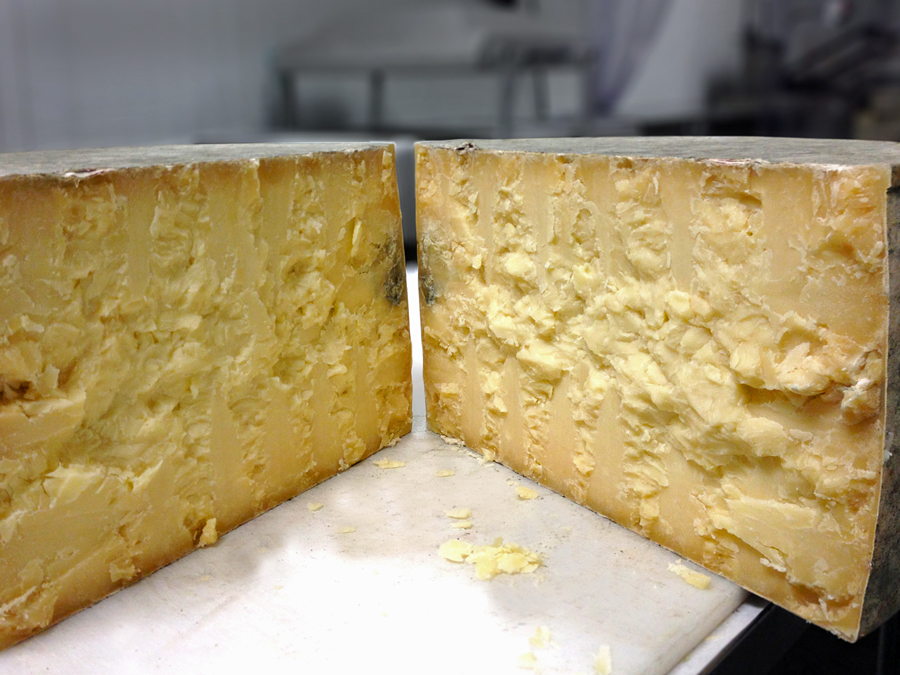
AgedCheese3

The cholesterol in cheese, especially aged cheese, is prone to oxidation.

It looks like dietary cholesterol contributes to the progression of various types of cancers. I first saw it here:

Cholesterol Oxides And Carcinogenesis, Journal of Clinical Laboratory Analysis, 1991

“Experimental evidence indicates a relationship between cholesterol α-epoxide and skin cancer, and exposure of skin fibroblasts to ultraviolet radiation enduces formation of significant levels of this oxide. Colon cancer is also etiologically linked to cholesterol oxidation products. Higher than normal levels of cholestanetriol have been found in patients with colon cancer and also in those with precancerous disorders such as adenomatous polyps and ulcerative colitis. Higher than normal levels of cholesterol α-epoxide have been found in breast fluid aspirates of women with benign breast disease, with or without atypical hyperplasia of the epithelium, and this may be a factor in the increased incidence of breast cancer associated with hyperplasia. Similarly, the observed increased levels of cholesterol α and β-epoxides in prostatic fluid of men with benign prostatic hypertrophy may be associated with subsequent development of prostate cancer.

Although investigations into the role of cholesterol oxidation products in cancer are still in the early stages, evidence to date indicates a potentially significant role in the induction of some types of cancer.”

These authors wrote an entire textbook on this subject:

Biological Effects of Cholesterol Oxides, 1991

“In recent years, researchers have accumulated a growing body of evidence linking cholesterol oxides with human diseases such as atherosclerosis and cancer. This book presents what is presently known about the biological activities of cholesterol oxides and is intended to stimulate thinking in new areas of diet-heart or diet-cancer research.”

So… skin cancer, colon cancer, breast cancer, and prostate cancer are all linked to dietary cholesterol …  “dietary” meaning the kind we eat, not so much what our bodies make, because the cholesterol we eat is more vulnerable to oxidation – from exposure to air, heat, light, processing, radiation, and acids, e.g. stomach acids, and it is the oxidation of cholesterol which makes it more harmful.  According to Dr. Clark (see link below):

“Cholesterol oxidized by the body is negligible compared to oxidized cholesterol obtained from the diet.”

Why isn’t this common knowledge? How do groups that advise eating a high-cholesterol, high-animal food diet, like Paleo and Atkins, reconcile this?

A few more…

Promotion Of Carcinogenesis And Oxidative Stress By Dietary Cholesterol In Rat Prostate, Carcinogenesis, 2004

Researchers gave mice a diet supplemented with 1% cholesterol. For relativity’s sake, in humans, 1% of a 2000-calorie diet is 20 calories or about 2 grams of cholesterol. That’s about 6 or 7 times the recommended limit of 300 mg/day. So, these mice were getting a lot of cholesterol.

  • Rats on the high cholesterol diet developed adenocarcinoma in the ventral prostate more frequently (26% versus 4%).
  • Rats on the high cholesterol diet demonstrated a higher incidence of atypical prostatic hyperplasia (24% versus 4%).
  • These results indicated that long-term feeding of a 1% cholesterol diet promoted carcinogenesis and tissue oxidative stress in rat prostate.

Promotion Of Colon Carcinogenesis Through Increasing Lipid Peroxidation Induced In Rats By A High Cholesterol Diet, Cancer Letters, February 1996

Here, rats that were exposed to a carcinogen and then fed a high-cholesterol diet developed colon cancer at a significantly higher rate than those not fed a high-cholesterol diet. The authors speculated that “cholesterol may potentiate the carcinogenicity of [a carcinogen] in rats via an increase of lipid peroxidation and decrease in the activity of peroxidase in the target organ.”

Effect Of Dietary Oxidized Cholesterol On Azoxymethane-induced Colonic Preneoplasia In Mice, Cancer Letters, October 1992

Here, rats were getting just 0.1% cholesterol (about 220 mg on a 2000-calorie diet).  And “a dose-response relationship was observed in both mouse strains between the level of dietary cholesterol or oxidized cholesterol and formation of preneoplastic aberrant crypt foci. These anomalies were enhanced to a greater extent by oxidized cholesterol. This data shows a very strong effect of cholesterol in enhancing the development of preneoplastic lesions in chemically induced cells.

And finally… as I was searching for studies that addressed dietary cholesterol and cancer, I ran across this review article:

The Cholesterol Story: Are Your Fighting Heart Disease? John Clark, M.D, 2009

Clark says the same as the studies above, referencing them too:

“A high cholesterol diet depresses natural killer cells activity by 75%, making cholesterol a dangerous food if you want your immune system to fight off viruses responsible for pandemic flu, cancer or autoimmune diseases.  In fact, oxidized cholesterol increases the risk of skin cancer, colon cancer, ulcerative colitis leading to cancer, breast disease leading to cancer, and prostate hyperplasia leading to cancer.”

It’s just 8 pages, almost 3 of which contain over 300 references. He backs his claims meticulously.  Nonetheless, it’s quite readable. He accompanied it with some videos.  I have to say, his lecture is one of the most accessible I’ve come across on this topic.  Comprehensive, explanatory, and refreshingly lacking in the ego you see in lectures at universities and teaching hospitals … where, it seems, the number of acronyms filling a sentence is proportionate to the intelligence and credibility of the deliverer, or so the deliverer thinks.  (Note: Clark’s site is religiously affiliated.)

Clark concludes with a nod to a low-fat, whole food, plant based diet, a diet that eliminates all oxidized cholesterol. (Only animal food contains cholesterol, and that cholesterol, owing to its treatment before consumption, is oxidized to some degree.)

12 Extra Slices Of Bread Daily Helped Men Lose Up To 25 Pounds In 8 Weeks

BreadDiet3In an earlier post I said that excess carbohydrate does not turn to body fat. Here’s a study that gave overweight men an extra 12 slices of bread a day – and they all lost weight:

Effects Of A High Fiber Bread Diet On Weight Loss In College-Age Males, American Journal of Clinical Nutrition, 1979

16 overweight college-age men were divided into 2 groups:

  • Group 1 ate 12 slices of white bread daily (1 gram fiber).
  • Group 2 ate 12 slices of fiber-enriched bread daily (25.5 grams fiber).

Both groups lost weight; the fiber group lost more.

The men were fed all meals in a cafeteria. They received trays containing 3200 calories/day which included 4 slices of bread per meal. They ate the same food (type, not quantity) at each meal. “No drastic changes were made in types of food” prior to and during the study.

Eating the bread caused the men to voluntarily limit the amount of other food they were eating:

  • Group 1 reduced calories from 3200 to 2350.
  • Group 2 reduced calories from 3200 to 1975.

After 8 weeks:

  • Group 1: Weight loss average of 6.26 kg (13.8 lb)
  • Group 2: Weight loss average of 8.77 kg (19.3 lb)
  • Group 1: Cholesterol dropped from 231 to 155 mg/dl
  • Group 2: Cholesterol dropped from 224 to 172 mg/dl

There were no detrimental effects of all that bread on the men’s blood glucose.

  • Group 1: Fasting glucose, no change (87.1 before, 86.6 after)
  • Group 2: Fasting glucose, no change (85.7 before, 85.3 after)

The authors stated that “the feeling of fullness created by eating bread and intensified with bread containing cellulose helps the dieter control food intake.”

A couple of undeniable facts from this study:

  • Choosing high-fiber bread over white bread leads to more weight loss.
  • Eating bread does not prevent weight loss, and may assist weight loss.

An aside… men who ate the high-fiber bread visited the bathroom more, and had heavier stools:

“For the [high-fiber] bread group, bowel movements averaged 1.7 per day with a mean stool weight of 243 g [half a pound] and for the regular bread group 1.4 movements per day with a mean stool weight of 118 g [quarter of a pound].”

There are a number of physicians and diet-book authors who claim that eating a lot of carbohydrate, especially grains, and of grains, especially wheat, and of wheat, especially processed wheat (flour), will cause weight gain – ipso facto.  Here we have a group of men who lost from 9 to 25 pounds in 8 weeks by adding 12 slices of bread to their regular diet.

Dr. McDougall, whose belief in the benefits of a starch-based diet is steadfast, offered this challenge in his new book, “The Starch Solution.” … “Add an extra 600 to 900 calories (divided throughout the day) of grains, legumes, or starchy vegetables to what you are already eating” (such as the foods below). Don’t add any fat or animal food to these additional starches:

4 cups of steamed rice
4 cups of boiled corn
4 mashed potatoes
4 baked sweet potatoes
3 cups of cooked beans, peas, or lentils
4 cups of boiled spaghetti noodles
12 slices of whole grain bread

His diet is a lot like the diets of traditional Okinawans who consumed 85% of their calories from carbohydrates, 70% from sweet potatoes alone, and who are known for their long life and good health into old age. It is also similar to the diets of Cubans during their Special Period, where they lost weight and lowered their rates of diabetes, heart disease, and cancer, by eating 77% of their calories as carbohydrate, primarily rice and sugar.

Changes In Taste And Smell After Weight Loss Surgery

SmellingFood2This is interesting. A majority of patients who undergo gastric bypass surgery report either changes in taste and smell, or some degree of loss of these senses:

Taste, Smell and Appetite Change After Roux-en-Y Gastric Bypass Surgery, Obesity Surgery, March 2014

Of 103 patients who underwent gastric bypass surgery:

97% said they had a change in appetite
73% said their sense of taste changed
42% said their sense of smell changed

One of my graduate classes was in taste and smell. At the time, I thought it was an understudied and underappreciated field. Still do. What we call “flavor” and sometimes “taste” is actually a combination of messages sent from taste and smell receptors, as well as some other input like sight and touch (food texture).  People who lose the sense of smell from trauma experience changes in taste and flavor because these senses are interconnected.

One thing I recall about smell … it is the only sense that is picked up directly by the brain. Other senses, like touch, receive stimuli from peripheral nerves that carry the impulse to the brain, the central nervous system (CNS), to be interpreted. But smell gets picked up by CNS olfactory nerves directly, right there in a bulb at the top of the nose. Impulses from odor stimuli get sent, at least initially, to the more primitive, limbic part of the brain. The limbic system is the seat of emotions, memories, and “is highly interconnected with the brain’s pleasure center, which plays a role in sexual arousal and the “high” derived from certain recreational drugs.”  Smells can make us feel things before our consciousness kicks in.

Back to the study… Meat products topped the list of foods participants developed an aversion to, “with one in every three patients steering away from chicken, minced beef, beef steak, sausages, lamb, ham or bacon.” Other suddenly undesirable foods included fish, fast foods, chocolate, greasy foods, pasta, rice, bread, eggs, pastry, and dairy products such as cream, ice cream, and cheese. A few reported developing an aversion to vegetables and fruit.

What’s left? The pleasure in eating goes out the window.

Lead author Lisa Graham “believes the sensory changes are due to a combination of gut hormone and central nervous system effects.”

Think about that. Taste and smell will probably be altered by this surgery, perhaps permanently.  The emotions, memories, feelings, motivations, and pleasures that are impacted by smell and taste will change, may diminish, may go away completely.

Some people think a whole food plant-based diet is extreme, but they don’t think cutting out body parts is extreme.


The Extremeness Of A Whole Food Plant-Based Diet

I ran across this quotation by Dr. Esselstyn and I can’t let go of it:

WholeFoodPlantBasedDietExtreme2

What I hear him doing is holding up two extremes, and asking people to chose. Do you think?

It’s the characterization of these two things as extreme that … I can’t let go of. Something that is extreme is different from the norm, an outlier, a rarity. It depends upon what you compare the item to that makes it extreme. I do think that a WFPB diet is extreme compared to the standard American diet. OK. But compared to how most humans in most parts of the world historically ate, it’s the norm. Humans survived, in fact thrived, on plants … roots, tubers, leaves, stems, fruits, nuts, and wild seeds and grains before we cultivated them.

It’s odd, isn’t it, that what was once common is now thought of as extreme.

Animal Protein But Not Plant Protein Increases Risk For Diabetes

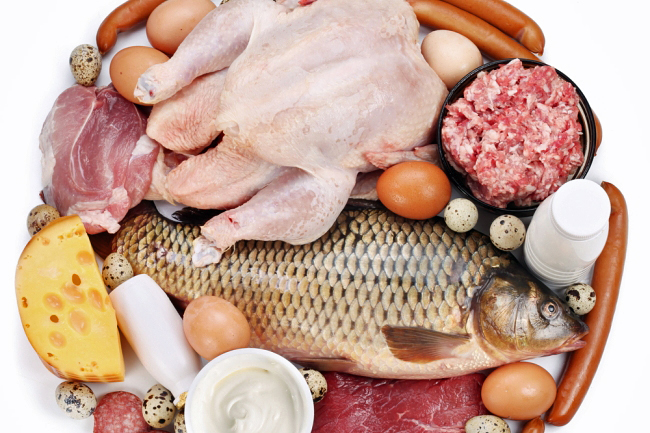
AnimalFoods2Diets high in animal protein – meat, eggs, seafood, cheese, yogurt and other dairy products – were associated with an elevated risk for type 2 diabetes. That was the finding of this new study:

Dietary Protein Intake and Incidence of Type 2 Diabetes in Europe: The EPIC-INTERACT Case-Cohort Study, Diabetes Care, 10 April 2014

It was large with a long follow up:

“The prospective European Prospective Investigation into Cancer and Nutrition (EPIC)-InterAct case-cohort study consists of 12,403 incident type 2 diabetes cases and a stratified subcohort of 16,154 individuals from eight European countries, with an average follow-up time of 12.0 years.”

It found:

“After adjustment for important diabetes risk factors and dietary factors, the incidence of type 2 diabetes was higher in those with high intake of total protein and animal protein. Plant protein intake was not associated with type 2 diabetes.

In view of the rapidly increasing prevalence of type 2 diabetes, limiting iso-energetic diets high in dietary proteins, particularly from animal sources, should be considered.”

It’s not news on this blog that animal foods raise the risk for diabetes. This study just adds to the growing body of evidence. Eat plants.