Author Archives: Bix

Does Increasing Protein Intake Slow Age-Related Muscle Mass Loss?

Increasing protein intake has not been shown to slow age-related muscle mass loss or to improve muscle mass or muscle function. The only thing that does is resistance exercise.

Transcript:

Population studies have found that failing to meet the recommended daily intake of protein is correlated with a lower lean body mass, and those exceeding the RDA associated with significantly greater lean body mass compared to those failing to meet the recommended intake. Greater protein intake has also been linked to greater grip strength over time, though not considered enough to be clinically meaningful. You don’t know if these correlations are even cause-and-effect though, until you put it to the test.

To see if increasing the protein intake for the elderly would help, Harvard researchers randomized older men with moderately impaired function to controlled diets offering the recommended 0.8 g/kg per day, or bumping them up to 1.3g/kg a day with a whey and casein protein powder, with or without added testosterone. Six months later, there was no difference in lean mass, muscle strength, fatigue, walking speed, stair-climbing power, or any of the other measures of performance, function, or well-being with the added protein, whether combined with testosterone or not––suggesting that the recommended dietary allowance of 0.8 grams of protein per healthy kilogram of body weight, or about 50 grams a day, is sufficient to maintain lean body mass even in old age, and does not support this thought that adding extra protein could promote bulking up additional lean mass.

Even studies that do show an increase in lean mass with protein supplementation doesn’t necessarily mean an increase in muscle mass. The field is said to be “plagued” with researchers referring to lean mass as an indication of muscle mass, but high protein intake alone can cause significant liver and kidney swelling. And so, an increase in total body lean mass may just be a reflection of “increased visceral organ size” or water retention, which also shows up as lean mass. For example, a 10-week randomized controlled trial found that elderly men on twice the protein RDA put on three pounds (1.35 kg) of lean mass over that of those just getting the RDA, but almost all the mass was in their trunk. When cross-sections of their thigh muscles were analyzed using CT scans, there was no significant difference between the two protein levels. Similarly, changes in muscle area measured by CT were found to be unrelated to protein intake in a prospective study that followed more than a thousand older adults over five years.

The gold standard for assessing muscle size is the use of MRI scans. Randomize hundreds of men and women over 65 years old to a year of a placebo control containing table sugar, versus a low-quality protein (collagen), versus whey protein, with or without low or high intensity resistance training, and the exercise group gained muscle, but the protein didn’t help at all. It made no difference in muscle size, strength, or performance. Even the whey protein, bumping them from average protein levels up to 1.5 g/kg, did no better than feeding them the equivalent of sugar pills—and the study was designed and paid for by a whey company! A two-year whey intervention—one of the largest, longest such studies ever run—similarly failed to show any benefits over placebo.

Put all these studies together on using protein or amino acid supplementation to preserve muscle mass and strength in older men and women, and overall, there was no significant improvement in lean body mass or upper or lower body muscle strength.

That was without concurrent exercise, though. Maybe extra protein works when combined with strength training? Very few studies showed any benefit to adding protein or amino acid supplementation during resistance exercise, but enough trended in the right direction that if you put them all together, protein supplementation combined with resistance exercise held a small edge over resistance exercise alone among older individuals. After an average of 18 weeks of training, fat-free mass, handgrip, knee extension, and leg press strength each increased by an extra half pound (0.23 kg) on protein, though this did not translate into any significant improvement in muscle function (such as rising from a chair, stair climbing, or walking speed). Now here, “elderly” was defined as “over 50.” Restricting the scope to studies enrolling actual elderly individuals (average age 70 or older), resistance exercise training worked; however, they found no significant additive effects to protein supplementation on any outcome—lean mass, muscle strength, or functional abilities.

In non-frail older adults, extra protein appears to have little or no effect on muscle mass, strength, or performance when taken alone or added to an exercise regimen. Okay, but what about in those who really need it––frail individuals? One of the first things doled out by doctors is a “nutrition shake,” like Ensure®, which are typically ultra-processed sugary messes of corn syrup, oil, and protein concentrates, often laced with artificial colors, flavors, and sweeteners. Though Big Pharma giants, like Abbot Laboratories (makers of Ensure), spend millions of dollars a year in lobbying and campaign contributions to help make these products medicine’s go-to choice, if you look at the evidence, a systematic review and meta-analysis of randomized controlled trials on such drinks for the management of frailty found no discernible benefit for any measured outcomes—muscle mass, muscle strength, muscle function, frailty status, cognitive function, or mortality.

What about those suffering from sarcopenia, accelerated age-related muscle loss? A systematic review and meta-analysis concluded that protein was a wash across the board for improving muscle mass, strength, or performance among elderly sarcopenic individuals. The best studies on protein or amino acid supplements for unhealthy older adults with acute or chronic conditions also found no significant effect.

Researchers have been trying to find effective ways to improve muscle mass in older people for decades, and so far, only resistance exercise has consistently yielded benefits. One of the largest and most rigorous studies to treat pre-frail and frail adults was published in 2021. Hundreds were enrolled to test the effects of leucine, whey protein, soy protein, creatine, and a combination of creatine and whey versus a placebo control (cornstarch) in the context of a 16-week resistance training program. The strength training itself worked, increasing muscle mass and function, but everything else flopped. No added benefit to frail or pre-frail individuals taking any of those supplements compared to taking a cornstarch placebo. A similar trial of hundreds of sarcopenic men and women, 75 and older, given 40 grams of whey-enriched protein a day, combined with exercise, for an entire year with a 43-month follow-up found that all the extra protein did not slow the deterioration of muscle mass and physical performance significantly better than a placebo––all the more important since it is one of the largest and longest-lasting randomized controlled trials ever published on the subject.

Consumer Reports noted that an investigation of 134 top-selling protein powder products found virtually all tested positive for at least one heavy metal, building on their own study that concluded “You don’t need the extra protein or the heavy metals our tests found.”
Repost: Drinking Water Increases Metabolic Rate, Thermogenesis (Heat Production), Can Assist Weight Loss

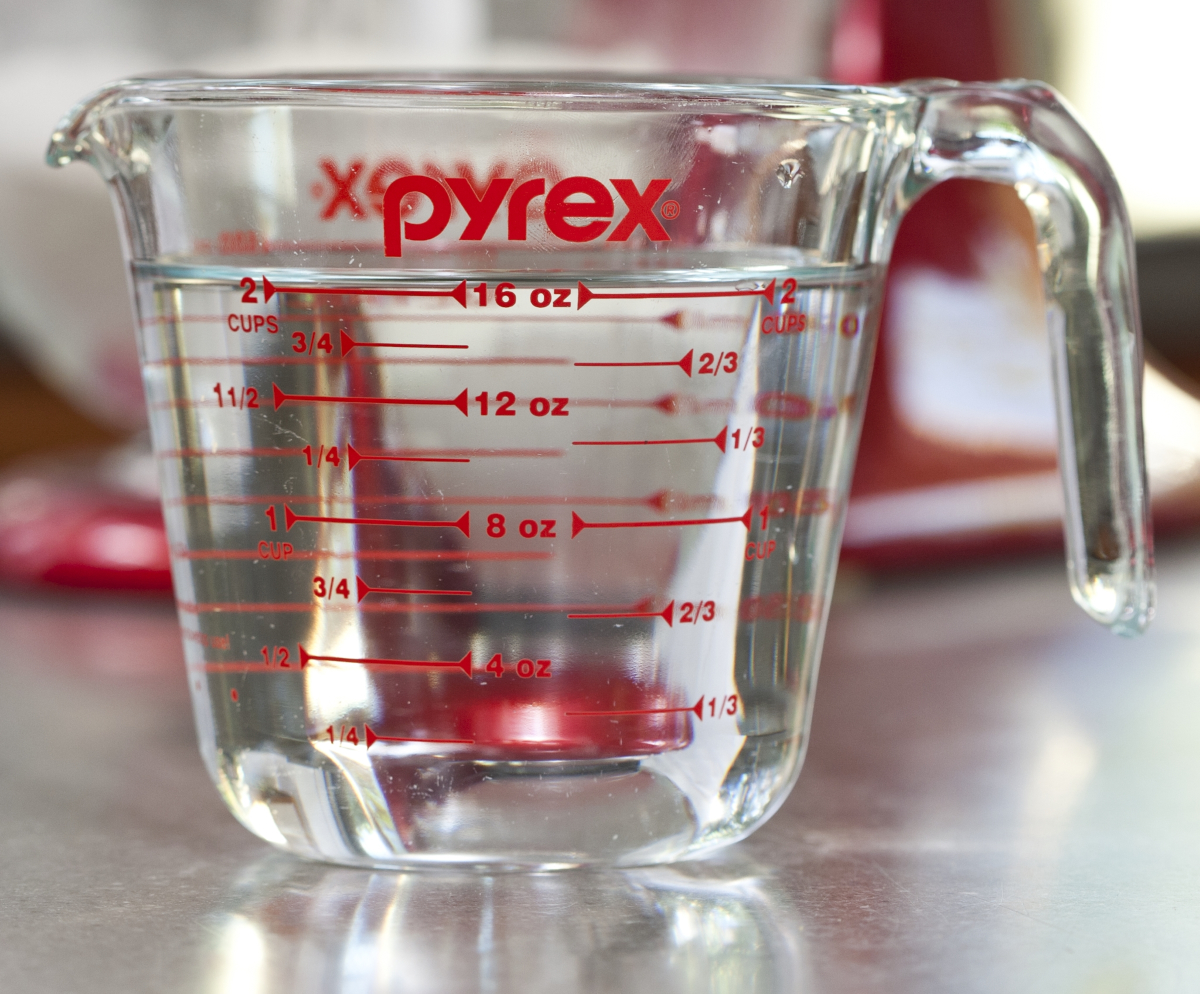
Drinking two cups of plain water on an empty stomach can produce “a 60% surge in the adrenal hormone noradrenaline within minutes, as if you just smoked a few cigarettes or downed a few cups of coffee, which boosts your metabolic rate up to 30% within an hour.” – Michael Greger MD. Photo: Cooks Illustrated

Dr. Greger just posted this video about water and metabolism. The concept is new to me. Beneath the video are 9 studies I pulled from his presentation and a quote or paraphrase about each. Beneath that is the video’s transcript if you’d prefer to read. Greger does a great job of summing this all up in 5 minutes. At the very end are my comments.

1. Water-induced Thermogenesis And Fat Oxidation: A Reassessment, Nutrition & Diabetes, December 2015

The increases in REE [resting energy expenditure] over 90 min post drink found in the two studies conducted in the laboratory of Boschmann et al. [they are the following 2 studies] using the same fixed water volume (500 ml) and same water temperature (21–22°) are uniquely spectacular.

2. Water-Induced Thermogenesis, The Journal of Clinical Endorinology and Metabolism, December 2003

Drinking 500 ml of water [16 ounces or 2 cups] increased metabolic rate by 30%. The increase occurred within 10 min and reached a maximum after 30–40 min.

In men, lipids mainly fueled the increase in metabolic rate. In contrast, in women carbohydrates were mainly used as the energy source.

The increase in energy expenditure with water was diminished with systemic β-adrenoreceptor blockade. [So, taking a beta-blocker – say, for high-blood pressure – would defeat this increase in metabolism.]

3. Water Drinking Induces Thermogenesis Through Osmosensitive Mechanisms, The Journal of Clinical Endorinology and Metabolism, August 2007

Context: Recently, we showed that drinking 500 ml water induces thermogenesis in normal-weight men and women.

Objective: We now repeated these studies in a randomized, controlled, crossover trial in overweight or obese otherwise healthy subjects (eight men and eight women), comparing also the effects of 500 ml isoosmotic saline or 50 ml water.

Results: Only 500 ml water increased energy expenditure by 24% over the course of 60 min after ingestion, whereas isoosmotic saline and 50 ml water had no effect. Heart rate and blood pressure did not change in these young, healthy subjects.

Conclusions: Our data exclude volume-related effects or gastric distension as the mediator of the thermogenic response to water drinking. Instead, we hypothesize the existence of a portal osmoreceptor, most likely an ion channel.

4. Influence Of Water Drinking On Resting Energy Expenditure In Overweight Children, International Journal of Obesity, July 2011

A subsequent rise in REE [resting energy expenditure] was observed, which was significantly higher than baseline after 24 min and at most time points thereafter. Maximal mean REE values were seen at 57 min after water drinking which were 25% higher than baseline.

5. The Osmopressor Response To Water Drinking, American Journal of Physiology, January 2011

Indeed, water drinking raises resting energy expenditure in normal weight and obese subjects. The stimulus setting off the response is hypoosmolarity rather than water temperature or gastrointestinal stretch.

The increase in metabolic rate with water drinking could be systematically applied in the prevention of weight gain and associated metabolic and cardiovascular risk factors. In essence, water drinking provides negative calories.

6. Drinking Water Is Associated With Weight Loss In Overweight Dieting Women Independent Of Diet And Activity, Obesity, September 2012

Results: Absolute and relative increases in drinking water were associated with significant loss of body weight and fat over time, independent of covariates.

7. Effect Of ‘Water Induced Thermogenesis’ On Body Weight, Body Mass Index And Body Composition Of Overweight Subjects, Journal of Clincal and Diagnositic Research, September 2013

This was an odd study. 50 young women drank 2 cups of water 3 times a day, before meals, in addition to any other beverages. After 8 weeks, the women lost weight, their BMIs went down, they lost body fat. However, you don’t know if all that water before meals affected calorie intake. Also no control group. Nonetheless, they drank water and lost weight without dieting.

8. Water Consumption Increases Weight Loss During A Hypocaloric Diet Intervention In Middle-Aged And Older Adults, Obesity, February 2010

Weight loss was ~2 kg greater in the water group than in the nonwater group, and the water group showed a 44% greater decline in weight over the 12 weeks than the nonwater group.

Thus, when combined with a hypocaloric diet, consuming 500 ml water prior to each main meal leads to greater weight loss than a hypocaloric diet alone in middle-aged and older adults. This may be due in part to an acute reduction in meal EI following water ingestion.

9. Efficacy Of Water Preloading Before Main Meals As A Strategy For Weight Loss In Primary Care Patients With Obesity: RCT, Obesity, August 2015

After adjustment, the water preloading group (500 ml 30 min before meal) lost about 1.2 kg (2.6 pounds, not much) more than the comparison group over 12 weeks. Barely reached significance: P = 0.063. However, those who actually DID drink the water 3 times a day lost about 9.5 pounds from baseline.

Here’s the transcript:

Given the 60 percent surge in the adrenal hormone noradrenaline within minutes of just drinking two cups of plain water, might one get the weight-loss benefits of noradrenaline-releasing drugs, like ephedra, without the risks? You don’t know until you put it to the test. Published in the Journal of the Endocrine Society, the results were described as “uniquely spectacular.” Drinking two cups of water increased the metabolic rate of men and women by 30 percent. The increase started within 10 minutes and reached a maximum within an hour. In the 90 minutes after drinking a single tall glass of water, the study subjects burned about an extra 25 calories. Do that four times throughout the day and you could wipe out 100 extra calories— more than ephedra! You’d trim off more calories drinking water than taking weight loss doses of the banned substance, ephedrine—the active component of ephedra—three times a day. And we’re just talking about plain, cheap, safe, and legal tap water!

Using the 10-Calorie Rule I explained previously, unless we somehow compensated by eating more or moving less, drinking that much water could make us lose 10 pounds over time. “In essence,” concluded one research team, “water drinking provides negative calories.”

A similar effect was found in overweight and obese children. Drinking about two cups of water led to a 25 percent increase in metabolic rate within 24 minutes, lasting at least 66 minutes until the experiment ended. So, just getting the recommended daily “adequate intake” of water—about 7 cups a day for children ages 4 through 8, and for ages 9 through 13, 8 cups a day for girls and 10 cups for boys—may offer more than just hydration benefits.

Not all research teams were able to replicate these findings, though. Others only found about a 10 to 20 percent increase, a 5 percent increase, or effectively none at all––pouring cold water, one might say, on the whole concept. What we care about, though, is weight loss. The proof is in the pudding. Let’s test the waters, shall we?

Some researchers suggest, “The increase in metabolic rate with water drinking could be systematically applied in the prevention of weight gain….” Talk about a safe, simple, side-effect-free solution—in fact free, in every sense. Drug companies may spend billions getting a new drug to market; surely a little could be spared to test something that, at the very least, couldn’t hurt. That’s the problem, though. Water is a “cost-free intervention.”

There are observational studies suggesting those who drink, for example, four or more cups of water a day appear to lose more weight, independent of confounding factors such as less soda or more exercise. But you don’t really know until you put it to the test.

And finally, in 2013, “Effect of ‘Water Induced Thermogenesis’ on Body Weight, Body Mass Index and Body Composition of Overweight Subjects.” Fifty overweight “girls” (actually women, ages 18 through 23) were asked to drink two cups of water, three times a day, a half hour before meals, over and above their regular water intake, without otherwise changing their diets or physical activity. And, they lost an average of three pounds in eight weeks. What happened to those in the control group? There was no control group, a fatal flaw for any weight loss study due to the “Hawthorne effect,” where just knowing you’re being watched and weighed may subtly affect people’s behavior. Of course, we’re just talking about water; so, with no downsides one might as well give it a try. But I’d feel more confident if there were some randomized, controlled trials to really put it to the test. Thankfully, there are!

Oh, I hate it when the title ruins the suspense. Overweight and obese men and women randomized to two cups of water before each meal lost nearly five pounds more body fat in 12 weeks than those in the control group. Both groups were put on the same calorie-restricted diet, but the one with the added water lost weight 44 percent faster. A similar randomized controlled trial found that about 1 in 4 in the water group lost more than 5 percent of their body weight compared to only 1 in 20 in the control group.

The average weight loss difference was only about three pounds, but those who claimed to have actually complied with the three-times-a-day instructions lost about eight more pounds compared to those only did the extra water once a day or less. This is comparable to commercial weight loss programs like Weight Watchers, and all they did was drink some extra water.

Not cited by Greger but related:
The Pressor Response to Water Drinking in Humans, Circulation, February 2000

Conclusions — Water drinking significantly and rapidly raises sympathetic activity. Indeed, it raises plasma norepinephrine as much as such classic sympathetic stimuli as caffeine and nicotine.

____________
In sum … Drinking a cup or two of water on an empty stomach raises metabolism. Less than that or drinking tea, soda, beer, or other beverage won’t work. Mechanism: When a dilute solution passes over a cell (possibly in digestive tract, liver, or hepatic portal vein), a receptor on the cell’s surface senses that extracellular hypoosmolarity (water is hypoosmotic).

It’s vital that a cell be able to sense what’s going on around it, because:

Extracellular hyperosmolarity causes cell shrinkage, whereas extracellular hypoosmolarity causes cell swelling.

Either of those sets off a chain of events, e.g.

Indeed, osmotic cell swelling activates anabolic processes including glycogen and protein synthesis in the presence of suitable substrates.

Also, Did you notice? If your metabolic rate goes up and you produce heat, you need to be burning a fuel. What’s the fuel? It’s different for men and women:

In men, lipids mainly fueled the increase in metabolic rate. In contrast, in women carbohydrates were mainly used as the energy source.

There is a whole lot going on here, a whole lot to learn.

New Study: Meat (Red Meat, Processed Meat, Poultry) Found To Increase Risk For Type 2 Diabetes

Meat consumption and incident type 2 diabetes: an individual-participant federated meta-analysis of 1·97 million adults with 100 000 incident cases from 31 cohorts in 20 countries, The Lancet Diabetes and Endocrinology, September 2024

Findings: Greater consumption of each of the three types of meat [unprocessed red meat, processed meat, poultry] was associated with increased incidence of type 2 diabetes.

Interpretation: The consumption of meat, particularly processed meat and unprocessed red meat, is a risk factor for developing type 2 diabetes across populations. These findings highlight the importance of reducing meat consumption for public health and should inform dietary guidelines.

Possible mechanisms:

Meat consumption could affect type 2 diabetes risk through different causal mechanisms that worsen insulin sensitivity, pancreatic β-cell function, or both.33

For example, red meat is rich in saturated fatty acids but low in polyunsaturated fatty acids, and switching from a diet rich in saturated fatty acids to one rich in polyunsaturated fatty acids was found to be associated with improved insulin resistance in a meta-analysis of short-term trials.43

Additionally, meat is characterised by its high protein content, and some research has indicated a potential association between a high intake of animal proteins and increased risk of type 2 diabetes.44–46

Another potential mechanism could be via trimethylamine N-oxide, a gut microbiota-dependent metabolite generated during the digestion of choline and l-carnitine, which are abundant in red meat, although the exact mechanism is yet to be established.47

Nitrate or nitrite additives and the formation of N-nitroso compounds during meat processing are associated with a higher risk of type 2 diabetes.48

Small-scale trials have indicated that advanced glycation end products—compounds generated when cooking meat products at high temperatures, such as frying or grilling—could contribute to oxidative stress, pro-inflammatory response, and subsequently insulin resistance.49–51

Meat can be a major source of iron in many populations, but long-term iron intake has been implicated in an increased risk of type 2 diabetes in observational studies52 and in Mendelian randomisation analysis.53

Sugar Does Not Make People Fat, Case-In-Point: Kempner’s Rice And Sugar Diet

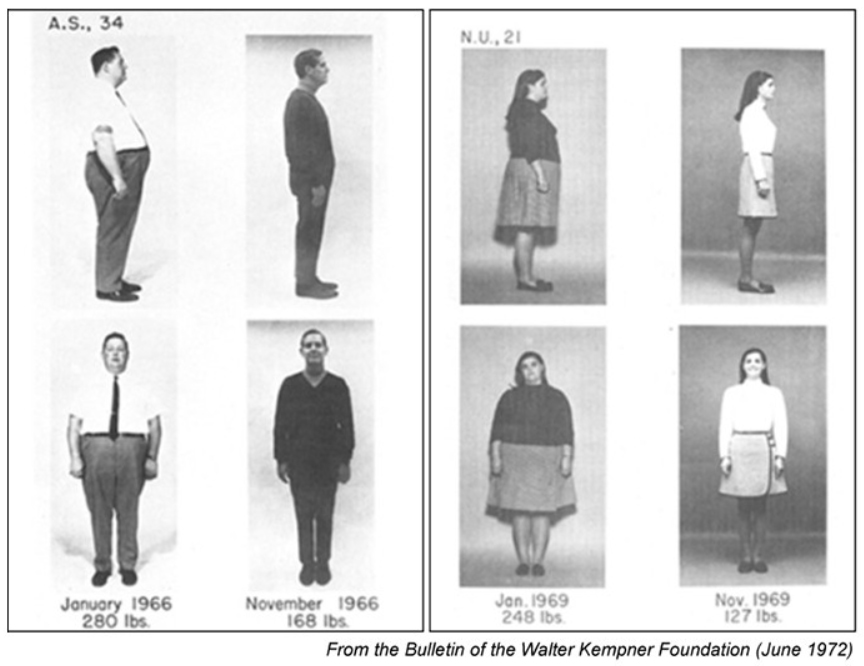
I want to revisit this post about Kempner’s Rice Diet that I posted back in 2014. First, no one is saying or even suggesting that a person should eat only rice, fruit, and sugar. Kempner designed this diet for people with advanced kidney disease. It wasn’t even intended to be a weight loss diet. Second, as you can see from the photographs, eating sugar, and lots of it, in some cases up to 2000 calories a day in pure white sugar, did not make people gain weight. In fact, people lost weight. What makes people gain weight? When they eat fat along with sugar.

_______
What would happen if you fed people only white rice, fruit, juice, and sugar? At up to 2400 calories a day? Would they gain weight, lose weight, or stay the same?

This is what happened when, in the 1940’s, doctor Walter Kempner began feeding his patients a rice diet:

KempnerRiceDiet2

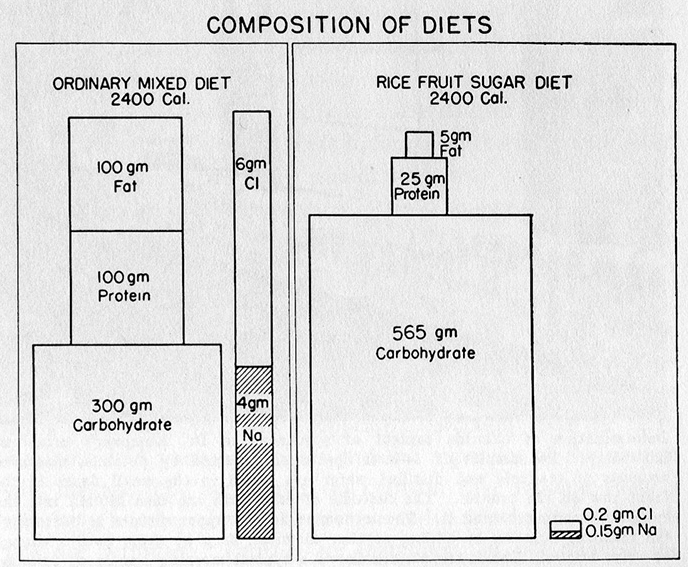
His initial intention was to feed patients who had advanced renal disease with a diet that would lessen the amount of filtering the kidneys had to do. The diet would reduce nitrogen (from dietary protein), sodium (from salt), etc. White rice fit the bill since it was low in protein and fat while providing all the essential amino acids, and it was widely available. The diet was a success.1

The refugee with the strong German accent explained his ideas about renal failure to his skeptical medical students. “The problem with renal failure is the resultant metabolic dysfunction. The kidneys excrete waste products, amino acids, keto-acid metabolites, hydrogen ions, the salt that is eaten, and all these things are the result of what the people are eating. Theoretically, we should be able to make them better by reducing the amount of work the kidneys have to do. Namely, we could radically alter the patients’ diets and thereby save lives.” The (Duke University) students challenged the Herr Professor. “Sounds cool but prove it!” And so he did. The ideas behind this gallant hypothesis were not that novel. Others had prescribed various similar ideas about reducing renal work by modifying the diet, particularly in terms of sodium content. However, they had not been that successful in sending the kidneys on vacation. Kempner introduced the first comprehensive (global) dietary program to treat chronic renal disease. By doing so, he revolutionized not only that disease but also the treatment of hypertension, obesity, and a host of other disorders.

It was by accident that he discovered the diet could do a lot more than treat kidney disease: 2

A major breakthrough occurred by accident in 1942 when one of Dr. Kempner’s patients, a 33-year-old North Carolina woman with chronic glomerulonephritis (kidney disease) and papilledema (eye disease) failed to follow his instructions. Because of Dr. Kempner’s heavy German accent she misunderstood his instructions to return in two weeks, and after two months, she finally returned, with no signs of deficiency, but rather with robust health. The woman had experienced a dramatic reduction of her blood pressure, from 190/120 to 124/84 mmHg, resolution of eye damage (retinal hemorrhages and papilledema), and a noticeable decrease in heart size.

Rice, fruit, and sugar really was all they were eating. This was not just a diet to which lots of rice was added. It was a diet very low in protein, fat, and sodium: 2

KempnerRiceDiet4

  • Dry rice of 250 to 350 grams daily forms the basis of the diet. Any kind of rice is used as long as it contains no milk or salt. The rice is boiled or steamed in plain water or fruit juice, without salt, milk or fat. (One cup of dry white rice weighs about 200 grams, and contains about 13 grams of protein, 150 grams of carbohydrate, 1 gram of fat, and 700 calories.)
  • Fruit and fruit juices are allowed.
  • Dried fruits can be used as long as nothing but sugar has been added.
  • White sugar may be used as desired (ad libitum); on average a patient takes in about 100 grams daily (400 calories) but, if necessary (to maintain body weight), as much as 500 grams (2000 calories) daily has been used.
  • The nutrient breakdown is about 2,000 to 2,400 calories per day (depending on the patient’s body weight): 95% carbohydrate, 4 to 5% protein (20 to 25 grams), 2 to 3% fat (rice is relatively high in the essential fat linoleic acid), 140 milligrams of calcium, and 150 milligrams of sodium daily.

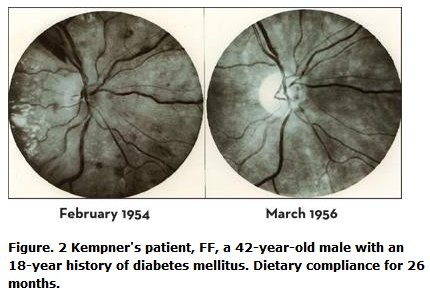
These photos of a retina that show reversal of diabetic retinopathy (bleeding/hemorrhages and leaking/exudates from blood vessels) are nothing short of remarkable:3

KempnerRiceDiet3

And this: 2

His numbers also showed how a high-carbohydrate diet improved blood sugars and often cured type-2 diabetes.

A diet of essentially all refined carbohydrate – white rice and white sugar – often cured type 2 diabetes. Why is this knowledge being lost on us? How did it come to pass that high-fat, meat-based diets reign? Because there’s little money to be made in telling people to eat rice? 3

In the 1950s, diuretics were introduced for the management of high blood pressure. And still later the direct application of Kempner’s dietary regimen diminished as a large array of blood pressure medications — Beta blockers, ACE inhibitors, angiotensin antagonists, and calcium channel blockers — became available for the management of hypertension. Kempner could take solace in knowing, nevertheless, that his regimen could provide comparable, if not better, results.

Many of today’s high-carb, plant-based diets are incarnations of Kempner’s rice diet from the 1940s.

______
1 Who And What Drove Walter Kempner? The Rice Diet Revisited, Hypertension, October 2014
2 Walter Kempner, MD – Founder Of The Rice Diet, McDougall Newsletter, December 2013
3 Fifty-year Anniversary: Reversal of Diabetic Retinopathy With Rice Diet, Retinal Physician, 2008

Dietary Treatment Of Hypertension. Clinical And Metabolic Studies of Patients On The Rice-Fruit Diet, Journal of Clinical Investigation, September 1950
Treatment of Massive Obesity With Rice/Reduction Diet Program, An Analysis of 106 Patients With at Least a 45-kg Weight Loss, JAMA Internal Medicine, December 1975

Repost: Mediterranean Diet Post 5: Does The Modern Mediterranean Diet Prevent Heart Disease?

Repost from 2019.

_______

None of today’s Mediterranean diets restrict olive oil or advise to follow a near-vegan diet for more than half of the year. Yet it was this autere and more authentic Mediterranean diet that was responsible for long life and low rates of chronic disease. How did it come to pass that the modern Mediterranean diet is flush with oil, alcohol, and animal food?

Here’s the PREDIMED study that started it all.

Primary Prevention Of Cardiovascular Disease With A Mediterranean Diet, New England Journal of Medicine, 25 February 2013

There were 3 groups, about 2500 people in each group. One group ate the so-called Mediterranean diet plus a liter of olive oil a week. Another ate the diet plus 30 grams of nuts a day. The last group was a “low-fat” control group which failed to eat low-fat (was eating 37% of calories from fat).

A Mediterranean diet with olive oil or nuts prevents heart disease, right? Yet in this study, 179 people assigned to eat the Mediterranean diet (96 in oil group, 83 in nut group) experienced a “major cardiovascular event” in the ~ 4.8 years of the study. According to the authors, all 179 had “no cardiovascular disease at enrollment.”

Imagine having no cardiovascular disease, being put on a special diet that was designed specifically to prevent cardiovascular disease, and experiencing a “major cardiovascular event” less than 4.8 years later. These are pure numbers but I want to compare them to what Dr. Esselstyn did. He took people with advanced coronary artery disease, put them on a low-fat, plant-based diet, and 12 years later they had no more cardiac events! Why isn’t a low-fat, plant-based diet preferred over a Mediterranean diet?

Also, there was no difference among the groups for “death from any cause.” (There were 118 in the oil group, 116 in the nut group, and 114 in the control group who died “from any cause.”) The Mediterranean diet didn’t keep people from dying any more than the control group.

By the way, PREDIMED was sponsored by oil and nut groups.

I covered the study back in 2013: Is The Mediterranean Diet Really All That?

Dr. Greger: Exercise Is Medicine

Transcript:

Below is an approximation of this video’s audio content. To see any graphs, charts, graphics, images, and quotes to which Dr. Greger may be referring, watch the above video.

Researchers who accept grants from the Coca-Cola Company call physical inactivity “the biggest public health problem of the 21st century.” Actually, physical inactivity ranks down at number 10 for risk factors for death in the United States, and number 11 for risk factors for disability. And globally, in terms of years of healthy life lost, inactivity doesn’t even break into the top 20. As we’ve learned, diet is our greatest killer, followed by smoking.

A media analysis found hundreds of news articles claiming that prolonged daily sitting is as bad or even worse than smoking. This is decidedly not the case. Smoking is expected to cause a billion deaths this century. Tobacco is responsible for approximately 10 times greater mortality risk, comparing the heaviest smokers versus the heaviest sitters.

What role does physical activity play in longevity? In terms of combatting the hallmarks of aging, aerobic exercise can induce autophagy, lower inflammation, decrease DNA damage, and facilitate DNA repair. A meta-analysis of cohort studies of middle-aged and older individuals, with follow-ups as long as 20 years, found that exercising adults were more likely to age successfully than sedentary individuals.

Population studies have found a correlation between regular aerobic exercise and decreased risk of at least 35 different diseases. But what have interventional trials proven in terms of cause-and-effect? Randomized controlled trials of older adults have demonstrated that physical activity can improve muscle mass, strength, balance, and mobility, decrease the risk of falls and potential fractures, while helping to minimize bone loss. Exercise may also improve cognition, enhance mood, successfully treat depression (as well as the prescription of the antidepressant drug Zoloft), improve erectile function in men, and generally improve quality of life. The evidence supporting the overall health benefits of physical activity are overwhelming. Exercise is medicine.

Artery stiffness is recognized as a barometer of aging, supporting the 17th century axiom from the English Hippocrates that “man is as old as his arteries.” Normally, large arteries in the body expand and recoil with every heartbeat. (That’s the pulse you feel in your wrist.) This helps cushion the pressure waves to prevent damage to tiny sensitive blood vessels in organs like your brain and kidneys. Thankfully, not all age-related stiffening is inevitable. Endurance-training men and women have artery elasticity closer to that of younger sedentary individuals, a status that can be achieved after daily brisk walks or jogging for just three months. This may help explain why those who exercise appear to live so much longer. A single exercise session can improve insulin sensitivity for up to 17 hours. Exercise is such powerful medicine that researchers at Stanford and the London School found that exercise may work as well as drugs for patients with coronary heart disease, heart failure, and pre-diabetes, and even better than some medications for stroke.

They suggested that drug companies should perhaps be required to compare any new chronic disease drugs head-to-head against exercise, as patients deserve to understand the relative impact that physical activity might have on their condition.

Exercise has been described as the “only intervention that has shown a remarkable efficacy for … increasing mean and maximum lifespan in humans.” But is that true? Can we exercise power over our lifespan? Is it really survival of the fittest? That’s exactly what I’ll explore next.

Dr. McDougall Cautions Against Consuming Dairy Food

It’s amazing how much information he can squeeze into 4 minutes:

What about calcium?

Plant foods contain generous amounts of calcium. A cup of cooked collard greens contains about 360 mg of calcium, while a cup of milk contains about 300 mg. A cup of cooked kale contains 210 mg. There is NO disorder known as “dietary calcium deficiency” – in other words, there is plenty of calcium in all plant food diets to meet the needs of both children and adults alike.

Osteoporosis is not a disease that results from too little calcium, but primarily from acids derived from too much animal protein that rob the body of calcium and thus weaken bones. A diet based on starches with a plentiful supply of fruits and vegetables, combined with modest exercise, will preserve skeletal strength and even regain lost bone mass.
When Your Friends Ask You About Calcium, John McDougall MD, 24 March 2024*

He didn’t mention the other things in foods derived from cow’s milk that make them not-so-palatable, including pesticides, PCBs, dioxins, hormones, metals, per- and polyfluoroalkyl substances (PFAS), microplastics, and drug residues. You could say that plant foods also contain these contaminants, however, animal foods contain them in higher concentrations owing to bioaccumulation.

* Dr. McDougall passed away on 22 June 2024, at the age of 77. The video above was recorded three months before his death.

The Color Purple Doesn’t Exist, Our Minds Create It

The color purple does not exist in nature. It is a creation of our minds.

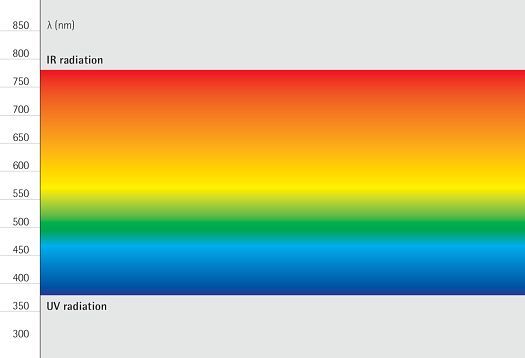
On the light spectrum, there is no color purple between red and blue. There is no color purple in a rainbow. The color between red and blue is green.

When red light and blue light enter our eyes we’re supposed to see green. But our mind says, “that’s not green.” because our green receptor isn’t firing. So it invents purple.

Because there is not a frequency that corresponds to purple, I suppose that my purple may be just a little bit different from your purple, because each of us create it.

Here’s a great explanation: